How To Clean The Nozzle System Of A PU Sandwich Panel Production Machine Effectively?
Publication Date: Nov 23, 2026
Effectively clean the nozzle system of PU sandwich panel machines: purge PU residues with proper solvent circulation, remove cured deposits via careful disassembly, blow dry with oil-free compressed air.
The effective cleaning of the nozzle system for a PU sandwich panel production machine relies on timely purging residual polyurethane raw materials, matching suitable cleaning solvents, controlling cleaning pressure and temperature reasonably, removing cured material deposits on nozzle inner walls and mixing chambers completely, and carrying out post-cleaning inspection and anti-blocking protection to avoid cross-contamination of raw materials and nozzle clogging during continuous foaming production.
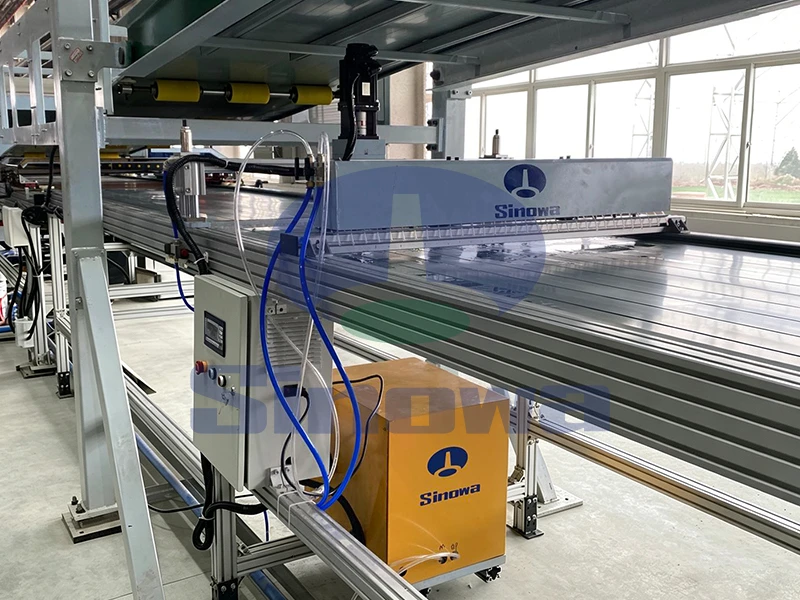
1. Pre-Cleaning Preparation And Safety Check
Before starting any cleaning operation, shut down the feeding and foaming circulation of the PU sandwich panel machine and relieve the residual pressure inside the nozzle pipeline. Confirm that the heating system of the nozzle has been adjusted to a proper temperature range, which helps soften semi-cured PU residues without accelerating the rapid curing of fresh material. Wear protective gear to avoid direct skin contact with solvents and uncured polyurethane components. Check the sealing parts of the nozzle assembly for looseness or aging, as damaged seals will cause solvent leakage and reduce cleaning efficiency. Isolate the nozzle section from the main raw material storage pipelines to prevent cleaning solvents from flowing back and polluting the polyol and isocyanate feed tanks.
2. Circulation Solvent Cleaning For Pipelines And Mixing Chamber
Select dedicated cleaning solvent compatible with polyurethane raw materials for circulating cleaning. Connect the solvent supply line to the inlet of the nozzle mixing system, and set a stable and moderate circulation flow rate. Let the solvent circulate repeatedly inside the mixing runner and nozzle channel to dissolve sticky uncured PU residues. Maintain continuous circulation for a period of time, and discharge the dirty solvent for replacement when it turns turbid or contains obvious suspended solid fragments. This circulating method works well for soft residues that have not fully hardened, and it reduces the frequency of disassembling the nozzle structure. Avoid excessive flow pressure, which may damage the fine mixing structure inside the nozzle.
3. Disassembly And Manual Cleaning For Cured Blockages
For hardened PU deposits that cannot be removed by solvent circulation, disassemble the nozzle assembly carefully, including the nozzle head, mixing core and runner sleeves. Use soft non-abrasive tools to scrape off solid cured materials gently. Hard metal scrapers are not recommended because they will scratch the smooth inner surface of the nozzle; scratches will easily accumulate residues and lead to frequent blockages in later production. Soak heavily blocked parts in solvent for a sufficient time to fully soften the cured foam before manual removal. After scraping, rinse every component repeatedly with clean solvent to wash away fine debris hidden in narrow gaps.
4. Compressed Air Purge And Drying Treatment
After solvent cleaning, use dry and oil-free compressed air to blow through all nozzle channels and disassembled parts. The air purge blows out residual solvent and tiny solid particles left in dead corners of the flow path. Adjust the air pressure appropriately to ensure airflow passes through the whole mixing system smoothly. Keep ventilated during this process to let volatile solvent evaporate thoroughly. Complete drying is critical; leftover solvent mixed with fresh PU raw materials will change the foaming reaction state and cause defects on the surface and core of sandwich panels.
5. Post-Cleaning Inspection And Daily Maintenance Rules
Reassemble all nozzle components after they are fully dry, and check the tightness of every connection joint. Run a short test circulation to observe whether the material flows evenly from the nozzle without intermittent output or abnormal bubbling. Form a regular cleaning schedule according to production shift arrangement. Short simple solvent circulation cleaning is required after each production shutdown, while full disassembly deep cleaning is arranged periodically. If production is suspended for a long time, fill the nozzle system with protective solvent or seal the nozzle outlet to prevent residual raw materials inside from reacting and curing. Stable daily maintenance can greatly extend the service life of the nozzle system and keep the foaming quality of PU sandwich panels consistent.
6. Common Mistakes To Avoid During Cleaning
Do not use incompatible solvents that cannot dissolve polyurethane residues, or solvents that may corrode the metal and sealing materials of the nozzle assembly. Never skip pressure relief before disassembly, which brings safety risks. Do not rush the drying process and start production when solvent still remains in the pipeline. Overly frequent disassembly will accelerate wear on precision matching parts of the nozzle and affect the mixing uniformity of the two PU components. Balancing cleaning frequency, cleaning method and operation standard is the key to long-term stable operation of the nozzle system.
Tags: pu sandwich panel production machine, pu sandwich panel production machine manufacturer, pu sandwich panel production machine supplier, china pu sandwich panel production machine, pu sandwich panel production machine for sale
Sinowa Sandwich Panel Lines
Sandwich Panel Machine For Sale
- PUR Sandwich Panel Production Line
- PIR Sandwich Panel Production Line
- PUF Sandwich Panel Production Line
- Rock Wool Sandwich Panel Production Line
- Glass Wool Sandwich Panel Production Line
- Mineral Wool Sandwich Panel Production Line
- Color Steel Sandwich Panel Production Line
- Thermal Insulation Sandwich Panel Production Line
- Cold Storage Sandwich Panel Production Line
- PU/PIR/Rockwool Insulation Sandwich Panel Machines
- PU/PIR/Rockwool Sandwich Panel Production Equipment
- PU/PIR/Rockwool Sandwich Panel Making Machinery