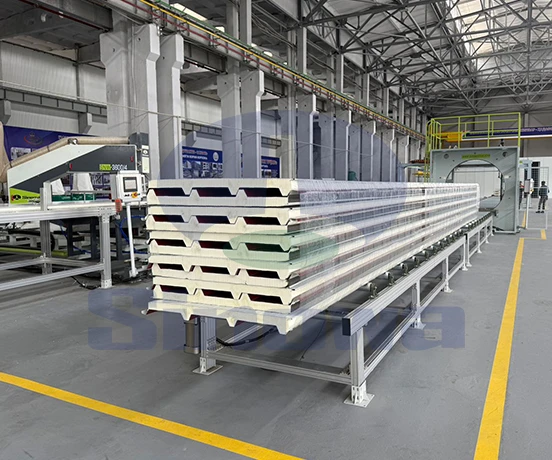
PU/PIR/Rockwool Insulation Sandwich Panel Machines

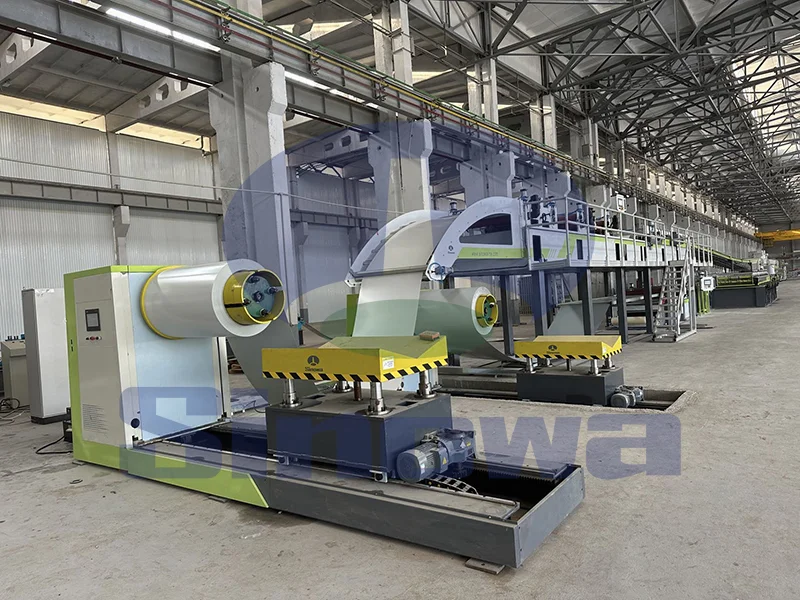
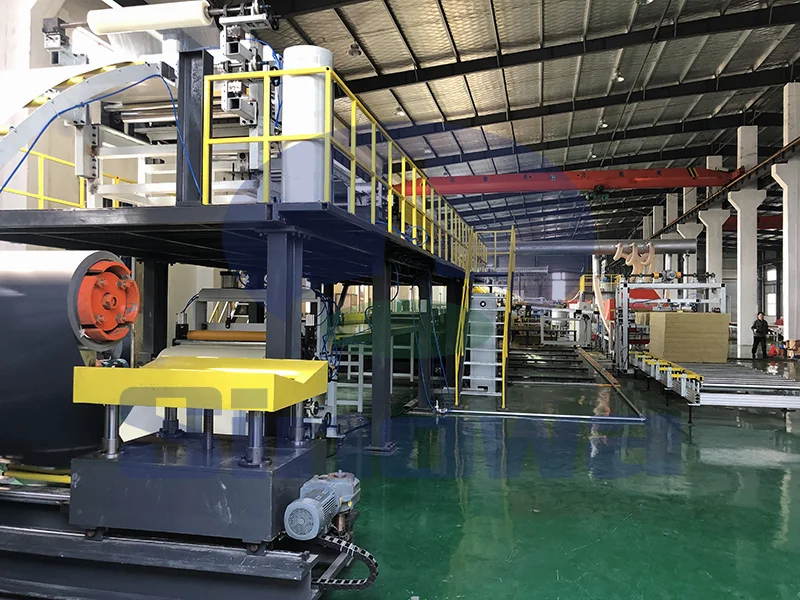
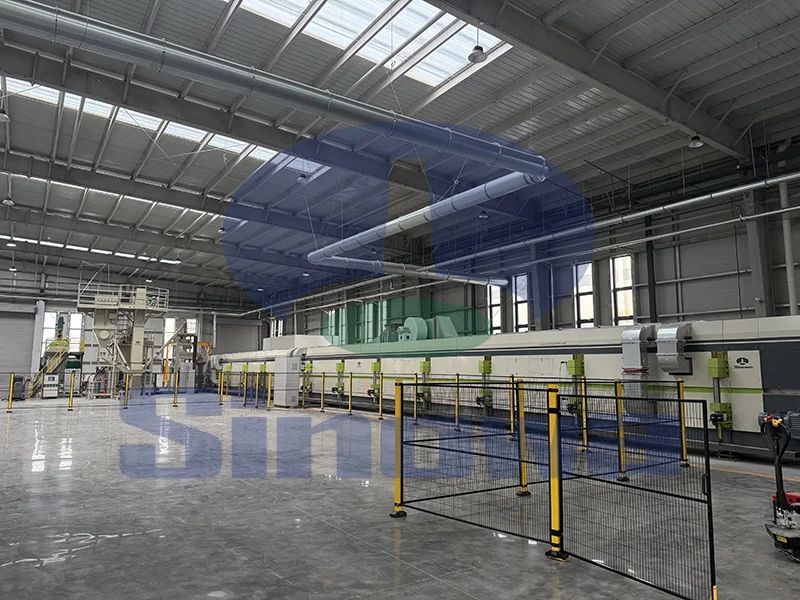
Sinowa is a manufacturer of high-end & high-efficiency pu/pir/rockwool insulation sandwich panel machines in china, supplier is a insulation sandwich panel machinery factory, customized and design high-quality & high-precision pu/pir/rockwool insulation sandwich panel machines with a reasonable price, the equipment is a high-tech automatic and continuous pu/pir/rockwool insulation sandwich panel machines.

The global construction and industrial sectors have witnessed a steady shift towards materials that offer a balance of durability, thermal efficiency, and structural integrity. Among these materials, insulation sandwich panels have emerged as a cornerstone in modern building practices, industrial facilities, and cold chain infrastructure. The production of these panels is heavily reliant on specialized machinery designed to handle different core materials, bonding technologies, and end-use requirements. Four key types of equipment dominate this space: PU Sandwich Panel Production Machine, PIR Sandwich Panel Making Machine, Rockwool Sandwich Panel Manufacturing Machine, and Insulation Sandwich Panel Machine. Each of these machines is engineered to cater to specific material properties and application needs, playing a pivotal role in shaping the efficiency and quality of the final products.

PU/PIR/Rockwool Insulation Sandwich Panel Machines

Before exploring the specifics of each machine, it is essential to understand the fundamental composition of insulation sandwich panels. These panels typically consist of two outer facings (often made of steel, aluminum, or fiberglass) and a core material that provides insulation, fire resistance, or soundproofing properties. The core material is the primary differentiator between various panel types, and the corresponding machines are optimized to process these cores with precision. The manufacturing process generally involves feeding the facings and core material into the machine, applying adhesive (where necessary), compressing the layers to ensure bonding, and cutting the panels to the required dimensions. However, variations in core material density, viscosity, and thermal stability demand tailored machinery designs, which is why PU, PIR, Rockwool, and general insulation sandwich panel manufacturing machines each have distinct operational features.

PU Sandwich Panel Machines are specialized equipment designed for the production of sandwich panels with polyurethane (PU) cores. Polyurethane is a versatile polymer known for its exceptional thermal insulation properties, low density, and good mechanical strength. These characteristics make PU sandwich panels ideal for applications where energy efficiency and lightweight construction are prioritized, such as cold storage facilities, residential buildings, and commercial warehouses. The operation of a PU Sandwich Panel making Machine involves several interconnected stages, each requiring precise control to ensure consistent panel quality.

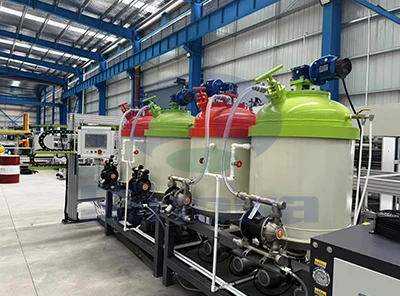
The first stage in PU sandwich panel production is the preparation of the PU core. Polyurethane is formed through a chemical reaction between isocyanates and polyols, often with the addition of blowing agents, catalysts, and surfactants to control the foam density and cell structure. PU Sandwich Panel Machines are equipped with dedicated mixing units that combine these components in exact proportions. The mixing process is critical—any deviation in the ratio of isocyanates to polyols can result in a core with compromised insulation performance or structural integrity. Modern machines feature high-pressure mixing heads that ensure thorough homogenization of the chemicals, reducing the risk of uneven foam formation. The mixing heads are also designed to minimize waste, as polyurethane begins to cure rapidly once mixed, typically within a few minutes.

PU Sandwich Panel Machine,PIR Sandwich Panel Machine,Rockwool Sandwich Panel Machine,Insulation Sandwich Panel Machine

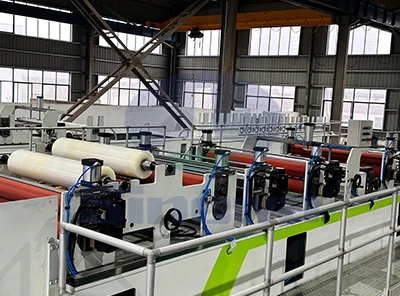
Once the PU foam is mixed, it is dispensed onto one of the outer facings, which is fed into the machine via a roll feeder. The facings, usually pre-coated steel sheets, are unwound and guided through a series of rollers to ensure flatness before the foam is applied. The second facing is then laid over the foam layer, and the entire assembly is passed through a compression section. The compression rollers or belts apply a consistent pressure to the panel, ensuring that the foam adheres firmly to both facings and that the panel achieves the desired thickness. The compression force must be carefully calibrated—too much pressure can crush the foam cells, reducing insulation efficiency, while too little pressure may result in poor bonding between the core and facings.

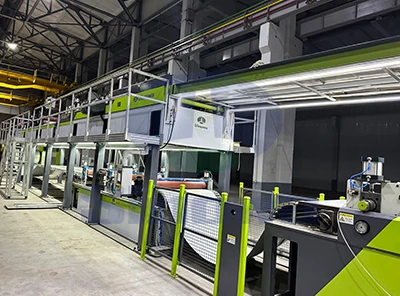
After compression, the panel moves through a curing tunnel. Since PU foam cures relatively quickly, the tunnel is typically equipped with temperature-controlled zones that accelerate the curing process without compromising the foam’s properties. The curing time varies depending on the foam formulation and ambient temperature, but modern PU Sandwich Panel production Machines are designed to optimize this stage for high throughput. Once cured, the panel is cut to length using precision cutting tools, such as circular saws or CNC routers, which ensure clean edges and accurate dimensions.

One of the key advantages of PU Sandwich Panel manufacturing Machines is their flexibility in producing panels of varying thicknesses and sizes. Most machines allow for adjustment of the foam dispensing rate, compression pressure, and curing temperature, enabling manufacturers to cater to different customer requirements. Additionally, PU foam can be modified with additives to enhance fire resistance or sound absorption, and the machines are capable of handling these modified formulations with minimal adjustments. However, operating a PU Sandwich Panel Machine requires strict adherence to safety protocols, as isocyanates are hazardous chemicals. Machines are equipped with ventilation systems to remove harmful fumes, and operators must wear protective gear to prevent exposure.

PU Sandwich Panel Machine,PIR Sandwich Panel Machine,Rockwool Sandwich Panel Machine,Insulation Sandwich Panel Machine

PIR Sandwich Panel Machines share some similarities with PU machines but are specifically designed for the production of panels with polyisocyanurate (PIR) cores. PIR is a thermoset plastic that is chemically related to polyurethane but offers superior fire resistance and thermal stability. This makes PIR sandwich panels suitable for applications where fire safety is a primary concern, such as high-rise buildings, hospitals, and industrial plants. The differences in the chemical properties of PIR compared to PU require modifications to the machine’s mixing, dispensing, and curing systems.

The production process for PIR sandwich panels begins with the mixing of isocyanates and polyols, similar to PU, but with the addition of a trimerization catalyst. This catalyst promotes the formation of a cross-linked molecular structure in the PIR foam, which enhances its fire resistance and thermal performance. PIR Sandwich Panel Machines are equipped with mixing units that can handle the higher viscosity of the PIR formulation, as well as precise dosing systems for the catalyst to ensure consistent cross-linking. The mixing heads for PIR machines are often designed with larger nozzles to prevent clogging, as the PIR foam tends to be thicker than PU foam.

Another key difference between PIR and PU machines is the curing process. PIR foam requires a higher curing temperature and longer curing time compared to PU, as the cross-linking reaction is slower. As a result, PIR Sandwich Panel Machines feature longer curing tunnels with more precise temperature control. The tunnels may be divided into multiple zones, with increasing temperatures to gradually cure the foam without causing thermal degradation. This extended curing process ensures that the PIR core achieves its full structural and thermal properties, making the panels suitable for high-temperature environments or applications where long-term durability is essential.

PU Sandwich Panel Machine,PIR Sandwich Panel Machine,Rockwool Sandwich Panel Machine,Insulation Sandwich Panel Machine

Like PU machines, PIR Sandwich Panel Machines include roll feeders for the outer facings, compression systems, and precision cutting tools. However, the compression pressure for PIR panels is often lower than that for PU panels, as the PIR foam is more rigid and less prone to cell crushing. The cutting tools must also be designed to handle the harder PIR core, with sharper blades and higher cutting speeds to ensure clean cuts. Additionally, PIR machines may include additional cooling stages after curing to prevent the panels from warping as they cool to ambient temperature.

PIR Sandwich Panel manufacturing Machines are widely used in regions with strict fire safety regulations, as PIR panels have a higher fire rating than PU panels. They are also preferred for applications where the panels may be exposed to high temperatures, such as near industrial furnaces or in commercial kitchens. The main challenge in operating PIR machines is the longer production cycle due to the extended curing time, which can reduce throughput compared to PU machines. However, advancements in catalyst technology and curing tunnel design have helped to shorten curing times in recent years, making PIR machines more efficient.

Rockwool Sandwich Panel Machines are designed for the production of sandwich panels with rockwool (mineral wool) cores. Rockwool is a natural insulation material made from molten rock, such as basalt or diabase, which is spun into fibers and bonded together with a thermosetting resin. It offers excellent fire resistance, sound absorption, and thermal insulation properties, making rockwool sandwich panels suitable for applications such as fire barriers, acoustic enclosures, and industrial insulation. The production process for rockwool panels differs significantly from that of PU and PIR panels, as rockwool is a fibrous material rather than a foam, requiring specialized handling equipment.

PU Sandwich Panel Machine,PIR Sandwich Panel Machine,Rockwool Sandwich Panel Machine,Insulation Sandwich Panel Machine

The first stage in rockwool sandwich panel production is the preparation of the rockwool core. The rockwool is typically supplied in rolls or blankets of the required thickness, which are fed into the machine. Rockwool Sandwich Panel manufacturing Machines are equipped with unwinding units that carefully feed the rockwool into the production line, ensuring that the fibers are not damaged or compressed excessively. Some machines may also include a leveling system to flatten the rockwool core, as uneven thickness can lead to inconsistent panel quality.

Next, the outer facings are fed into the machine and aligned with the rockwool core. Adhesive is applied to both sides of the rockwool core (or to the inner surface of the facings) to ensure bonding. The adhesive used for rockwool panels is typically a water-based or solvent-based resin that is compatible with both the rockwool fibers and the facing material. The adhesive application system in Rockwool Sandwich Panel production Machines is designed to distribute the adhesive evenly, covering the entire surface of the core to prevent delamination.

Once the adhesive is applied, the assembly of facings and rockwool core is passed through a compression section. Unlike PU and PIR machines, which use rollers or belts, rockwool machines often use a press system to apply uniform pressure. The press may be a continuous belt press or a hydraulic press, depending on the production volume and panel size. The compression time is longer for rockwool panels to allow the adhesive to set and form a strong bond. Some machines also include a heating system in the compression section to accelerate the adhesive curing process.

PU Sandwich Panel Machine,PIR Sandwich Panel Machine,Rockwool Sandwich Panel Machine,Insulation Sandwich Panel Machine

After compression, the panel moves to the cutting section, where it is cut to length and width using precision tools. Rockwool is a abrasive material, so the cutting blades in these machines are made from high-strength steel or carbide to ensure durability. The cutting process must be carefully controlled to prevent the rockwool fibers from fraying, which can reduce the panel’s insulation performance and create a safety hazard for operators. Many modern Rockwool Sandwich Panel Machines include dust collection systems to remove rockwool fibers generated during cutting, improving workplace safety and air quality.

One of the key advantages of Rockwool Sandwich Panel Machines is their ability to produce panels with excellent fire resistance and soundproofing. Rockwool is non-combustible, and panels made with rockwool cores can withstand high temperatures for extended periods, making them ideal for fire-rated walls and ceilings. Additionally, the fibrous structure of rockwool provides superior sound absorption compared to foam cores, making these panels suitable for noisy environments such as factories, airports, and concert halls. However, rockwool panels are heavier than PU or PIR panels, which can increase transportation and installation costs. Rockwool Sandwich Panel Machines must be designed to handle the increased weight of the panels, with robust feeding and conveying systems.

Insulation Sandwich Panel production Machines are a broader category of equipment that encompasses machines capable of producing sandwich panels with a variety of insulation cores, including PU, PIR, rockwool, as well as other materials such as EPS (expanded polystyrene), XPS (extruded polystyrene), and cellulose. These machines are designed for versatility, allowing manufacturers to switch between different core materials with minimal modifications. This flexibility makes them ideal for small to medium-sized manufacturers that serve a diverse range of customers and applications.

The design of Insulation Sandwich Panel Machines incorporates modular components that can be adjusted or replaced to accommodate different core materials. For example, the mixing unit can be modified to handle foam cores (PU/PIR) or removed entirely for fibrous cores (rockwool) or rigid foam boards (EPS/XPS). The compression system can be adjusted to apply the appropriate pressure for different core densities, and the curing or adhesive systems can be tailored to the specific requirements of each core material. This modularity reduces the need for multiple dedicated machines, lowering capital costs for manufacturers.

PU Sandwich Panel Machine,PIR Sandwich Panel Machine,Rockwool Sandwich Panel Machine,Insulation Sandwich Panel Machine

Insulation Sandwich Panel making Machines typically feature advanced control systems that allow operators to program different production parameters for each core material. These control systems may include touchscreen interfaces, automated material handling, and quality control sensors that monitor panel thickness, bonding strength, and dimensions. Some machines also integrate computer-aided design (CAD) software, enabling manufacturers to produce custom-sized panels with precise specifications. This level of automation improves production efficiency and reduces the risk of human error, ensuring consistent quality across all panel types.

One of the key challenges in designing Insulation Sandwich Panel Machines is balancing versatility with performance. Each core material has unique processing requirements, and a machine that is optimized for one material may not perform as well with another. For example, a machine designed for EPS panels may struggle to handle the high viscosity of PIR foam, and a machine designed for rockwool may not provide the necessary mixing capabilities for PU. To address this, manufacturers of Insulation Sandwich Panel making Machines often offer optional upgrades and modifications, allowing customers to customize the machine to their specific needs. These upgrades may include specialized mixing heads, adjustable compression systems, and additional curing or cooling stages.

Insulation Sandwich Panel production Machines are widely used in the construction industry, where there is a growing demand for energy-efficient and sustainable building materials. They are also used in the industrial sector for the production of panels used in storage tanks, pipelines, and equipment insulation. The versatility of these machines makes them particularly well-suited for markets where customer requirements vary widely, such as in developing countries where both low-cost and high-performance panels are in demand.

The performance of each type of sandwich panel machine is influenced by several key factors, including production speed, panel quality, energy efficiency, and maintenance requirements. Production speed varies significantly between machines: PU machines typically have the highest throughput, as PU foam cures quickly, followed by PIR machines (with longer curing times), then Rockwool machines (due to slower adhesive curing), and Insulation Sandwich Panel manufacturing Machines (which may have variable speeds depending on the core material).

Panel quality is determined by factors such as core density uniformity, bonding strength between facings and core, and dimensional accuracy. PU and PIR machines rely on precise chemical mixing and temperature control to ensure uniform foam density, while Rockwool machines depend on even adhesive application and compression to prevent delamination. Insulation Sandwich Panel Machines must maintain quality across different core materials, which requires robust control systems and modular components. Dimensional accuracy is critical for all machines, as panels must fit together seamlessly during installation. Modern machines use CNC cutting tools and laser measurement systems to ensure that panels meet exact size specifications.

PU Sandwich Panel Machine,PIR Sandwich Panel Machine,Rockwool Sandwich Panel Machine,Insulation Sandwich Panel Machine

Energy efficiency is an increasingly important consideration in machine design, as manufacturers seek to reduce operational costs and environmental impact. PU and PIR machines consume energy primarily for heating the curing tunnel and powering the mixing and compression systems. Advancements in insulation technology for curing tunnels and variable-frequency drives for motors have helped to improve energy efficiency in these machines. Rockwool machines also consume energy for heating the compression section and powering the dust collection system, while Insulation Sandwich Panel Machines may have variable energy consumption depending on the core material being processed. Some modern machines incorporate renewable energy sources, such as solar panels, to power auxiliary systems, further reducing their carbon footprint.

Maintenance requirements vary between machine types. PU and PIR machines require regular cleaning of the mixing heads and curing tunnels to prevent foam buildup, which can affect performance. The chemical components used in these machines can also be corrosive, so parts such as hoses and valves must be inspected and replaced regularly. Rockwool machines require maintenance of the cutting blades and dust collection systems, as rockwool fibers can cause wear and tear. Insulation Sandwich Panel Machines, with their modular design, may require more frequent adjustments and part replacements when switching between core materials, but their overall maintenance needs are similar to dedicated machines.

The application scope of sandwich panel machines is closely tied to the properties of the panels they produce. PU Sandwich Panel Machines are used to manufacture panels for cold storage facilities, as PU foam has excellent thermal insulation properties that help maintain low temperatures. They are also used in residential and commercial buildings for wall and roof insulation, as well as in mobile homes and modular buildings due to the lightweight nature of PU panels. PIR Sandwich Panel production Machines are preferred for applications where fire safety is critical, such as high-rise buildings, schools, and hospitals. PIR panels are also used in industrial facilities where high-temperature resistance is required, such as power plants and refineries.

Rockwool Sandwich Panel Machines produce panels that are widely used in fire barriers, acoustic enclosures, and industrial insulation. They are also used in public buildings such as airports, train stations, and stadiums, where sound absorption and fire resistance are essential. Rockwool panels are often used in exterior walls and roofs of commercial buildings, as they provide excellent thermal insulation and are resistant to moisture and mold. Insulation Sandwich Panel Machines, with their versatility, are used in a wide range of applications, from low-cost residential construction (using EPS panels) to high-end commercial buildings (using PIR or rockwool panels) and industrial insulation (using cellulose or mineral wool panels).

The sandwich panel machine industry is driven by several key trends, including technological advancements, growing demand for energy-efficient materials, and increasing focus on sustainability. Technological advancements in machine design have led to improved precision, higher throughput, and better energy efficiency. For example, the integration of IoT (Internet of Things) sensors in modern machines allows manufacturers to monitor production parameters in real-time, identify potential issues before they affect quality, and optimize performance. IoT-enabled machines can also collect data on energy consumption, maintenance needs, and production output, enabling predictive maintenance and reducing downtime.

Another major trend is the development of eco-friendly materials and processes. There is a growing demand for sandwich panels made from renewable or recycled materials, and machine manufacturers are responding by designing equipment that can handle these materials. For example, some PU and PIR machines now use bio-based polyols derived from renewable sources such as soybeans or castor oil, reducing reliance on fossil fuels. Rockwool machines are being optimized to use recycled rockwool fibers, while Insulation Sandwich Panel making Machines are being modified to process cellulose insulation made from recycled paper.

PU Sandwich Panel Machine,PIR Sandwich Panel Machine,Rockwool Sandwich Panel Machine,Insulation Sandwich Panel Machine

The push for energy efficiency in buildings is also driving innovation in sandwich panel machines. Governments around the world are implementing stricter energy efficiency standards for buildings, which has increased demand for high-performance insulation panels. Machine manufacturers are responding by developing equipment that can produce panels with higher R-values (thermal resistance) and better airtightness. For example, PU and PIR machines are being designed to produce foam cores with smaller cell structures, which improve thermal insulation properties. Rockwool machines are being optimized to produce denser cores that offer better thermal and acoustic performance.

Automation is another key trend in the sandwich panel machine industry. As labor costs rise and manufacturers seek to improve efficiency, there is a growing adoption of fully automated production lines. These lines integrate material handling, mixing, dispensing, compression, curing, and cutting into a single automated process, reducing the need for manual labor and improving consistency. Some advanced machines even feature robotic arms for stacking and packaging the finished panels, further streamlining the production process.

The global market for sandwich panel machines is expected to grow steadily in the coming years, driven by increased construction activity in emerging economies, growing demand for cold chain infrastructure, and the adoption of energy-efficient building practices. Asia-Pacific is the largest market for these machines, due to rapid urbanization and industrialization in countries such as China, India, and Southeast Asian nations. North America and Europe are also significant markets, driven by retrofitting of existing buildings to meet energy efficiency standards and the construction of new commercial and industrial facilities.

However, the industry also faces several challenges. The high cost of specialized machines, particularly PU and PIR machines, can be a barrier to entry for small manufacturers. Additionally, the volatility in raw material prices (such as isocyanates for PU/PIR and steel for facings) can affect the profitability of panel production, leading some manufacturers to delay investments in new machinery. Environmental regulations regarding the use of certain chemicals (such as isocyanates and solvents) also pose challenges, as machine manufacturers must design equipment that complies with these regulations while maintaining performance.

To overcome these challenges, machine manufacturers are focusing on developing cost-effective solutions, such as modular machines that can be upgraded as production needs grow. They are also investing in research and development to find alternative materials and processes that are more environmentally friendly and less dependent on volatile raw materials. For example, some manufacturers are exploring the use of water-based adhesives in Rockwool Sandwich Panel making Machines to reduce reliance on solvent-based adhesives, which are subject to strict environmental regulations.

In conclusion, PU Sandwich Panel Machines, PIR Sandwich Panel making Machines, Rockwool Sandwich Panel Machines, and Insulation Sandwich Panel production Machines each play a unique and vital role in the production of insulation sandwich panels. Their design and operation are tailored to the specific properties of the core materials they process, ensuring that the final panels meet the performance requirements of various applications. Technological advancements in automation, energy efficiency, and eco-friendly processes are driving the evolution of these machines, making them more efficient, versatile, and sustainable.

PU Sandwich Panel Machine,PIR Sandwich Panel Machine,Rockwool Sandwich Panel Machine,Insulation Sandwich Panel Machine

As the demand for energy-efficient and fire-safe building materials continues to grow, the sandwich panel machine industry is poised for further growth and innovation. Manufacturers of these machines will need to adapt to changing market demands, environmental regulations, and raw material availability, while continuing to improve the performance and reliability of their equipment. Whether producing lightweight PU panels for cold storage, fire-resistant PIR panels for high-rise buildings, sound-absorbing rockwool panels for public spaces, or versatile insulation panels for diverse applications, these machines are essential to meeting the needs of the modern construction and industrial sectors. With ongoing advancements in technology and a focus on sustainability, sandwich panel machines will remain a cornerstone of the global insulation industry for years to come.

The future of sandwich panel machines is likely to be shaped by several key developments. The integration of artificial intelligence (AI) into machine control systems will enable even greater precision and efficiency, as AI algorithms can analyze production data in real-time and adjust parameters to optimize performance. For example, AI can predict when a mixing head is likely to become clogged and schedule maintenance before a breakdown occurs, reducing downtime. Additionally, the development of 3D printing technology for sandwich panels may open up new possibilities for custom designs and complex shapes, requiring specialized machines that can handle additive manufacturing processes.

Sustainability will continue to be a driving force, with machine manufacturers focusing on reducing energy consumption, minimizing waste, and using recycled materials. For example, some machines may incorporate closed-loop systems that recycle excess foam or adhesive, reducing material waste. The use of electric motors instead of diesel engines will also become more common, further reducing carbon emissions. Additionally, the development of biodegradable insulation cores may require new machine designs that can handle these materials without compromising performance.

Another area of growth is the development of portable sandwich panel machines, which can be transported to construction sites for on-site production. This eliminates the need for transporting large, bulky panels, reducing transportation costs and carbon emissions. Portable machines are particularly well-suited for remote construction projects or areas with limited infrastructure, and they can be customized to produce panels of different types and sizes on demand.

In summary, the sandwich panel machine industry is a dynamic and evolving sector that plays a critical role in supporting the global construction and industrial markets. The four types of machines discussed—PU, PIR, Rockwool, and Insulation Sandwich Panel manufacturing Machines—each have unique capabilities and applications, and their continued development will be essential to meeting the growing demand for high-performance, energy-efficient, and sustainable insulation materials. As technology advances and market needs change, these machines will continue to adapt, ensuring that they remain at the forefront of the insulation panel industry.

Insulation Sandwich Panels

  •  sandwich panels
  •  sandwich panels
  •  sandwich panels
  •  sandwich panels

Are you interested in our continuous sandwich panel line?

Get In Touch