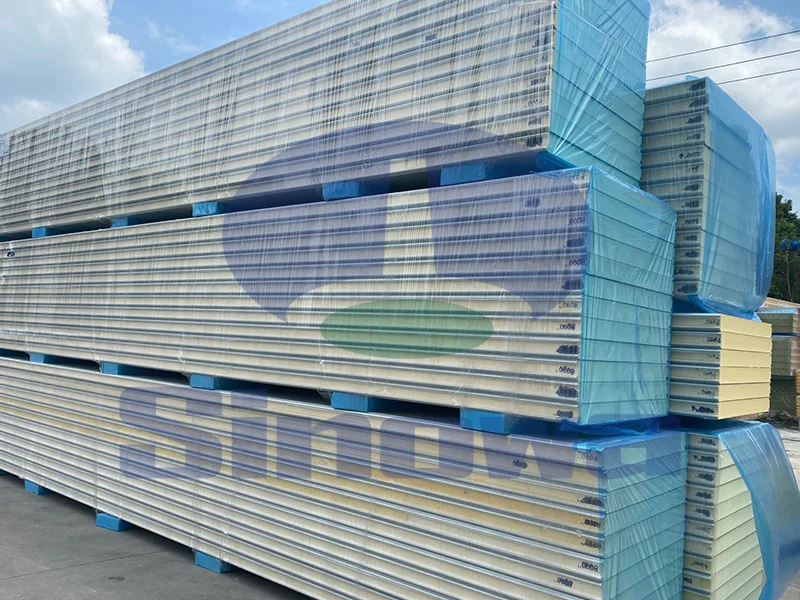
In modern architecture and industrial fields, soundproof sandwich panels are increasingly favored due to their excellent acoustic performance and multifunctionality. As a professional equipment for producing such high-performance building materials, the technical level of the sound insulated sandwich panel line directly determines the quality and performance of the final product.
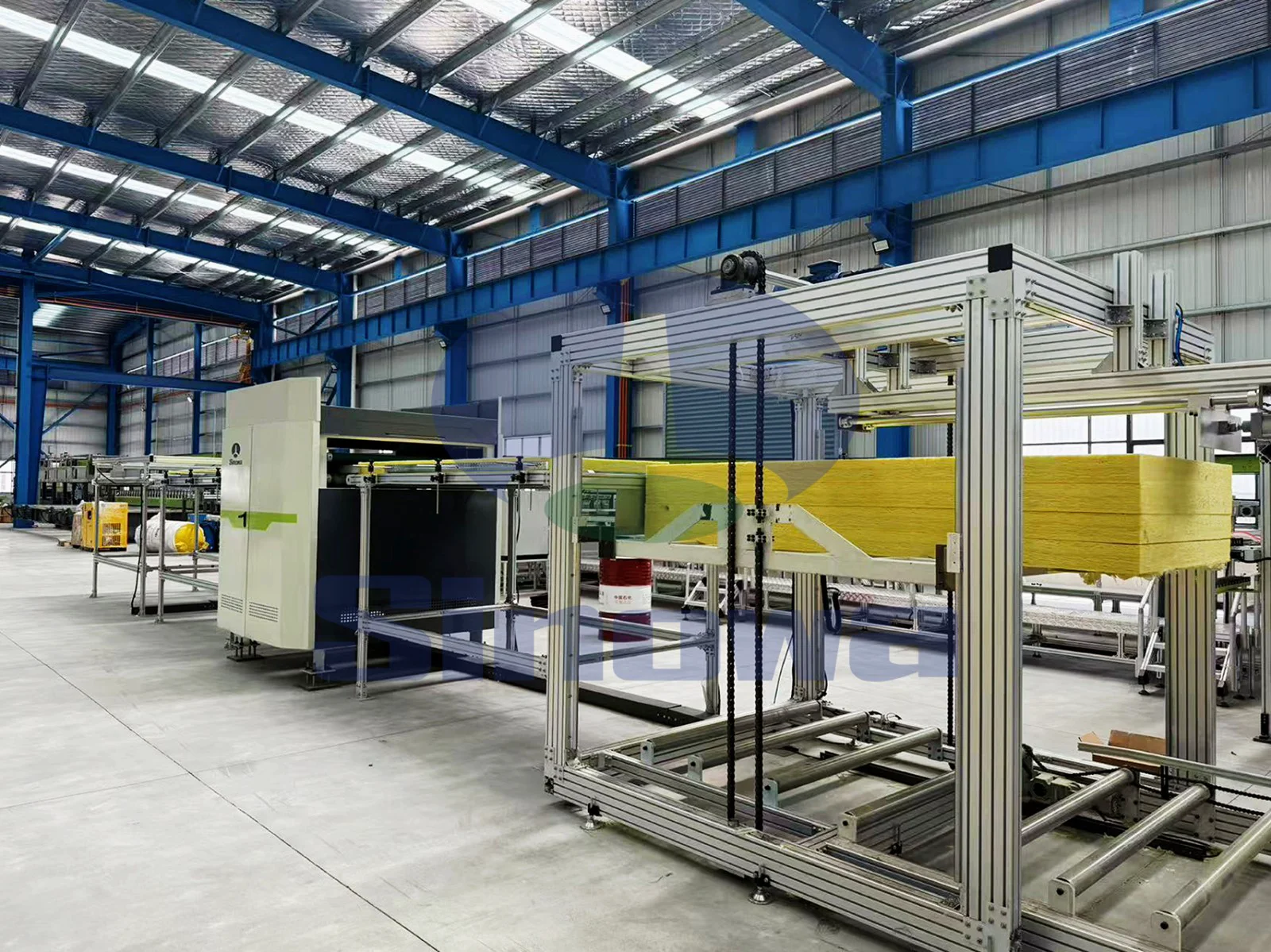
The sound insulated board production line is a specialized production system that integrates mechanical, electrical, hydraulic, and automation control, specifically designed for manufacturing sandwich composite panels with excellent soundproof performance. This sound insulated sandwich panel assembly line combines high-strength surface materials with lightweight soundproof core materials to produce building materials that combine structural strength and acoustic performance. Compared with ordinary sandwich panel production lines, soundproof sandwich panel production lines have stricter requirements in core material processing, composite technology, and quality control to ensure that the products meet the designed sound insulation level.
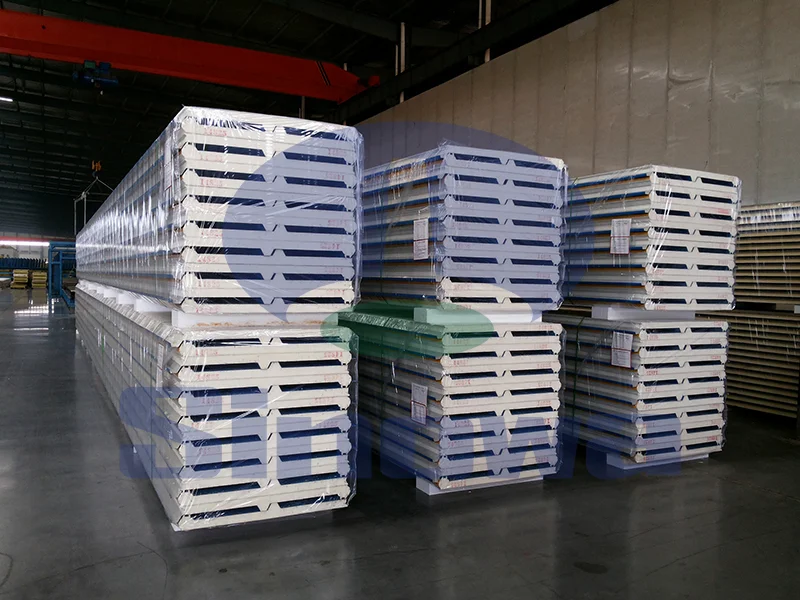
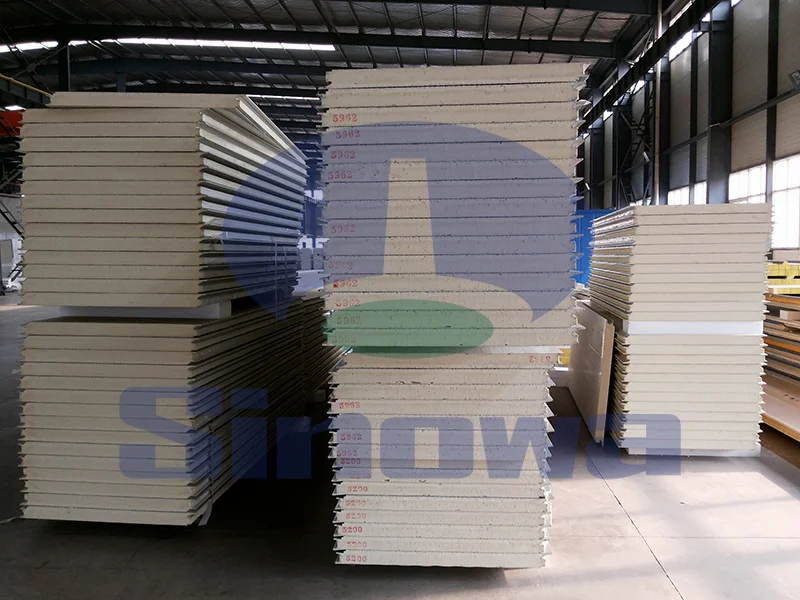
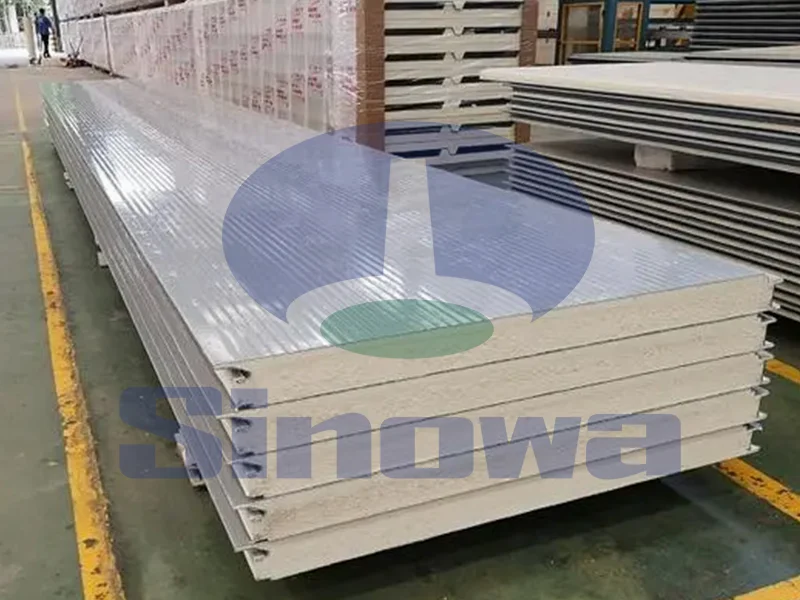
The mainstream sound insulated sandwich panel lines in the market can be divided into rock wool/glass wool sandwich panel production lines, polyurethane (PU/PIR) sandwich panel production lines, and new composite soundproof panel production lines according to the type of core material. Each type has its specific application scenarios and performance characteristics. For example, the rock wool sandwich panel production line produces panels with excellent fire resistance, while polyurethane sandwich panels have better integrated insulation and sound insulation performance. With the development of materials science, specialized production lines for new soundproof core materials such as phenolic resin and magnesium cement have emerged in recent years.
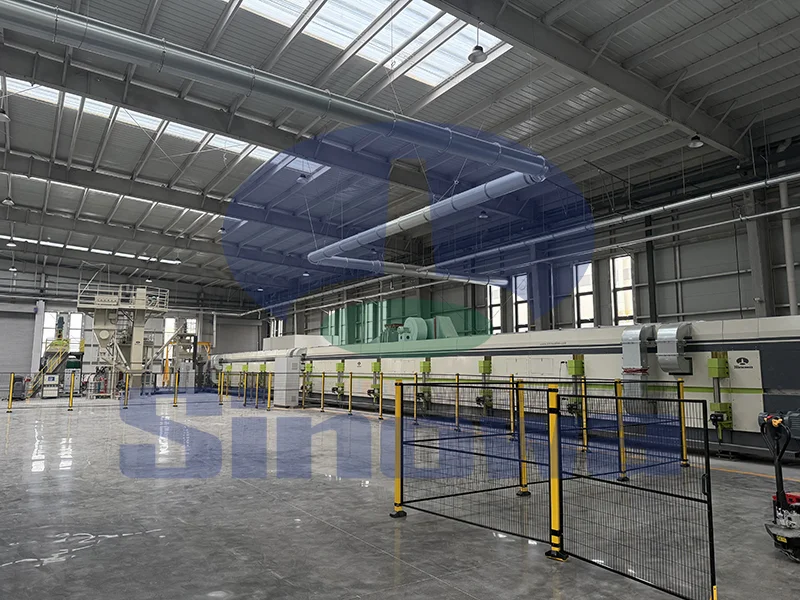
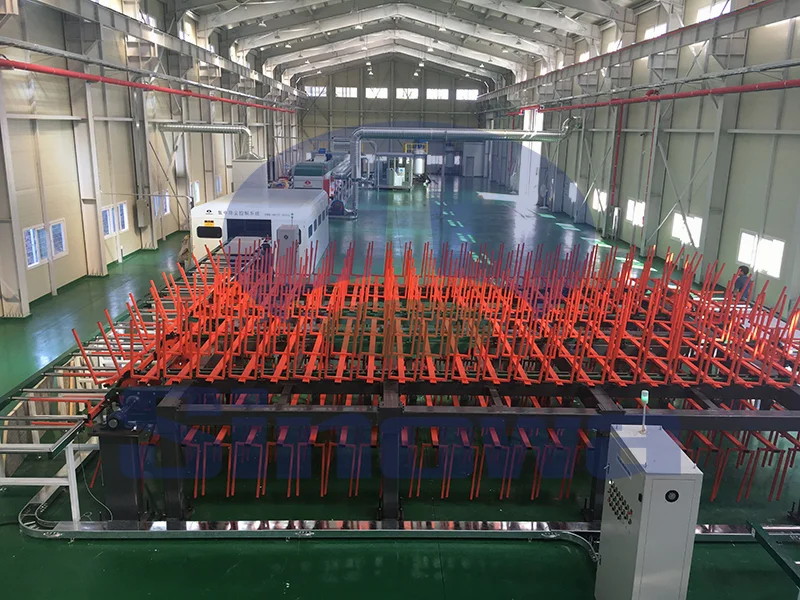
From the perspective of automation, modern sound insulated sandwich panel machines have evolved from semi automated in the early days to fully automated assembly line operations. The high-end sound insulated sandwich panel manufacturing line integrates processes such as automatic feeding, precise measurement, high-speed compounding, CNC cutting, and intelligent stacking, greatly improving production efficiency and product consistency.
The implementation principle of sound insulation performance is the core technology of this type of production line. The excellent soundproof sandwich panel line ensures the acoustic performance of the product through multiple technological means: the core structure designed with density gradient effectively attenuates sound waves in different frequency bands; Using elastic composite technology to reduce acoustic bridge effect; Accurately control the bonding strength between the surface material and the core material to avoid resonance; The specially designed board edge interface enhances the overall sound insulation effect after on-site installation. The integrated application of these technologies enables modern soundproof sandwich panels to achieve high-performance standards of STC (Sound Transmission Class) 50-60, meeting the sound insulation needs of most buildings.
The rock wool/glass wool sandwich panel production line is the preferred configuration for places with high fire protection requirements. This type of production line uses rock wool or glass wool as the sound insulation core material, and produces sandwich panels through automatic cotton laying, high-pressure composite and other processes. The fully automatic rock wool production line integrates a vertical silk rock wool paving area and a bidirectional anti roll pressure system, ensuring that the core material is evenly distributed and firmly bonded to the surface material. The significant advantage of rock wool sandwich panel lies in its A-level fire resistance performance, as well as good sound insulation characteristics, especially outstanding isolation effect on medium and high-frequency noise. The production line is usually equipped with a high-precision cutting system to ensure the flatness of the sheet end face, which is the key to achieving good on-site installation and sound insulation performance. It is worth noting that modern rock wool production lines also adopt environmentally friendly design, effectively controlling fiber dispersion through closed production and dust removal systems, and improving the working environment.
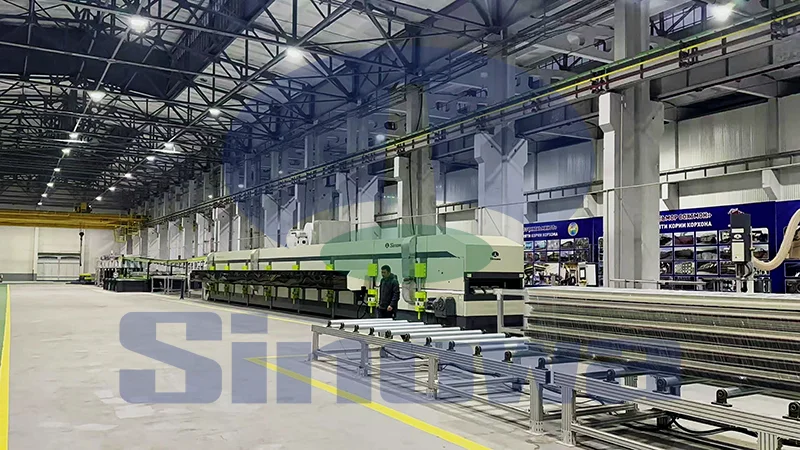
The polyurethane (PU/PIR) sandwich panel production line represents an efficient integrated solution for insulation and sound insulation. The production line adopts double track molding technology and continuous injection molding process to fully foam and firmly bond the liquid polyurethane to the surface material under pressure. The closed cell rate of polyurethane core material can reach over 90%, which makes it have excellent sound insulation and thermal insulation properties. The production line usually includes pre pressing, foaming, curing, cutting and other sections, among which the foaming temperature control system and track pressure control are the core to ensure product quality. Modern high-end equipment is also equipped with an online quality monitoring system to monitor the foam density and flatness of the board in real time. The advantage of polyurethane sandwich panels lies in their lightweight and high strength. With the same sound insulation effect, their thickness can be reduced by 20% compared to rock wool panels. They are also easy to install on site and have simple joint treatment, greatly reducing the sound bridge effect.
The phenolic resin sandwich panel production line is an ideal choice for high-temperature environments. This type of production line has multifunctional characteristics and can produce various specifications of products. The surface materials can be selected from different materials such as aluminum foil, color steel, cement base cloth, etc. The foaming and curing process of phenolic resin is different from that of polyurethane, requiring precise temperature control curves and special exhaust systems. The production line usually includes sections such as resin formulation, impregnation, foam molding, and post-processing. The fire resistance of phenolic sandwich panels can reach B1 level or even higher, and the smoke toxicity is low at high temperatures, making them particularly suitable for places with strict fire protection requirements such as tunnels and subways. Its sound insulation performance is particularly outstanding in the mid to low frequency range, making up for the shortcomings of other types of sandwich panels.
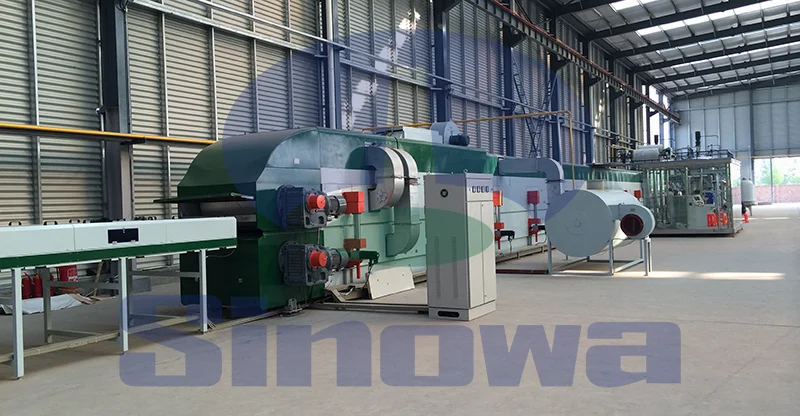
The production line of lightweight composite soundproof panels represents the environmental protection direction of resource recycling. This type of production line mainly uses industrial waste (such as phosphogypsum, fly ash) and agricultural waste (such as sawdust, straw) as raw materials, and produces lightweight partition boards through automated assembly lines. The production line adopts a dual drive roller extrusion process to achieve one-time whole board forming of sizing, main material, laying, compounding, and re pressing.
The production process of soundproof sandwich panels is the key to ensuring product performance, and a complete production line usually includes multiple precision matched process links. The control accuracy of each link directly affects the sound insulation effect and quality stability of the final product. Modern automated production lines achieve the unity of high efficiency and high quality by optimizing the process flow.
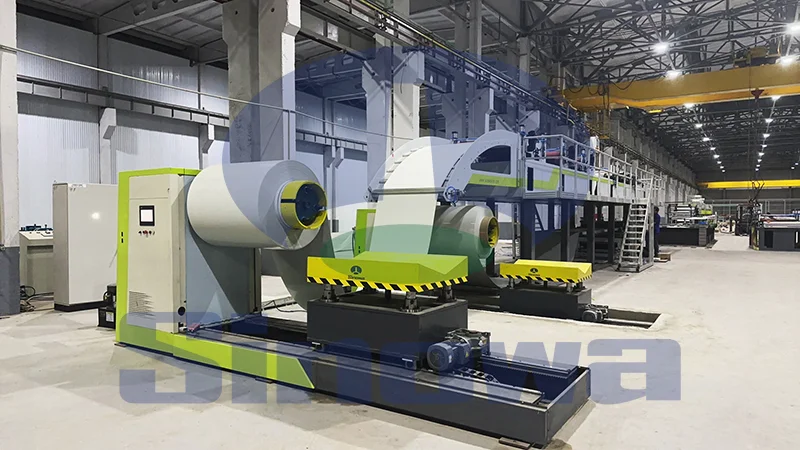
The raw material pretreatment system is the fundamental link of the production line, which directly affects the stability of subsequent processes. For metal surface materials, the production line is equipped with automatic unwinding, leveling, and cutting equipment to ensure that the surface materials are flat and stress free. Taking color steel plates as an example, advanced pretreatment includes electrostatic precipitator, chemical cleaning, and passivation treatment, which greatly improves the bonding strength. The processing of core materials varies depending on the material: rock wool/glass wool needs to undergo density grading and uniform paving; Polyurethane components require precise temperature control and high-speed stirring and mixing; Phenolic resin requires strict control over the proportion of curing agent and curing time. It is worth mentioning that some high-end production lines have introduced visual recognition systems, which can automatically detect surface defects of raw materials and mark them for processing, avoiding unqualified materials from entering the production process. The accuracy of the preprocessing stage has a significant impact on the sound insulation performance of the final product. Studies have shown that for every 10% increase in the bonding strength between the surface and core materials, the overall sound insulation effect can be improved by about 3%.
The composite process section is the core of the production line, which determines the structural performance and acoustic characteristics of the sandwich panel. Modern production lines mainly adopt continuous hot pressing composite or cold pressing composite processes. Hot pressing composite is usually used for polyurethane and phenolic foam sandwich panels. By precisely controlling the temperature (± 1 ℃) and pressure (± 0.1Bar), the core material is foamed under pressure and the surface material is bonded. The dual track system maintains a constant pressure until the foam is completely solidified to avoid deformation caused by internal stress. Cold pressed composite is commonly used for rock wool and glass wool sandwich panels, using high-performance and environmentally friendly adhesives to achieve firm bonding through rolling or flat pressing. To enhance the sound insulation effect, the advanced production line adopts gradient density composite technology, which uses core materials of different densities in different areas to effectively absorb sound waves of different frequencies. Some high-end devices also use interval composite technology to create an air layer in the core material, utilizing air resistance to improve sound insulation performance. The temperature, pressure, speed and other parameters during the composite process are monitored and adjusted in real time by the PLC system to ensure process stability.
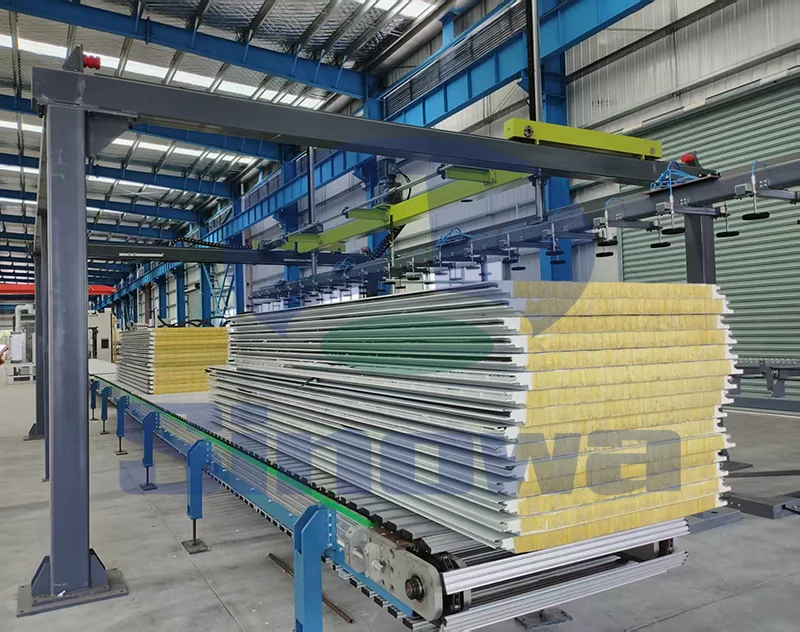
The molding and curing stages are crucial for the final performance of the product. Polyurethane sandwich panels need to be matured in a strictly controlled environment. Typically, production lines are equipped with maturation channels of up to 40-60 meters, with temperatures controlled between 25-35 ℃ and relative humidity below 60%. Rock wool sandwich panels require a pressure roller to ensure tight contact between the core and surface materials, with pressure typically controlled between 0.3-0.5MPa. The new production line has introduced infrared heating and ultraviolet curing technology in the curing section, which can shorten the curing time by more than 50%. It is worth mentioning that some innovative processes such as microwave-assisted curing technology have begun to be applied to high-end production lines, which can accurately control the curing depth, avoid the phenomenon of surface over curing and internal non curing, and make product performance more uniform. Insufficient curing can lead to a decrease in sound insulation performance and easy delamination of sandwich panels, while excessive curing can cause material brittleness, affecting installation and usability.
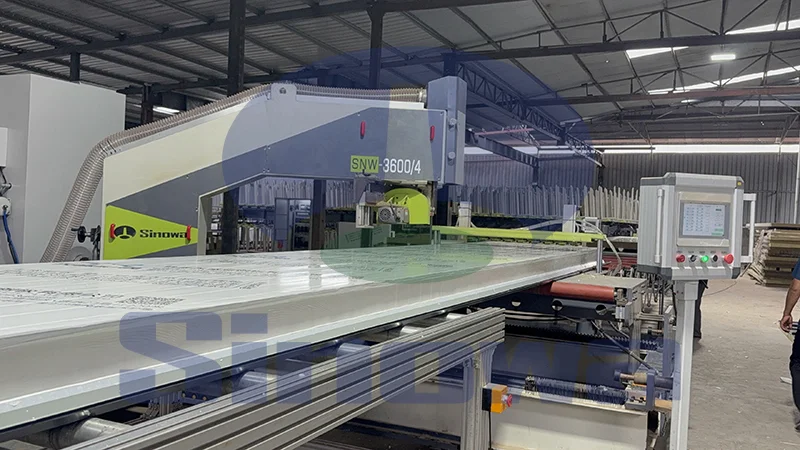
The cutting and post-processing section realizes the fixed length processing and functional improvement of products. Modern production lines are equipped with CNC multidimensional cutting systems, with cutting accuracy up to ± 0.5mm, ensuring the tightness of sheet metal splicing. For soundproof sandwich panels, cutting quality is particularly important because uneven cuts can form sound bridges, greatly reducing the actual sound insulation effect. High end equipment adopts water jet or vibration knife cutting technology to reduce edge damage. Post processing includes functional processing such as edge reinforcement and seam treatment, as well as decorative processing such as surface protection.