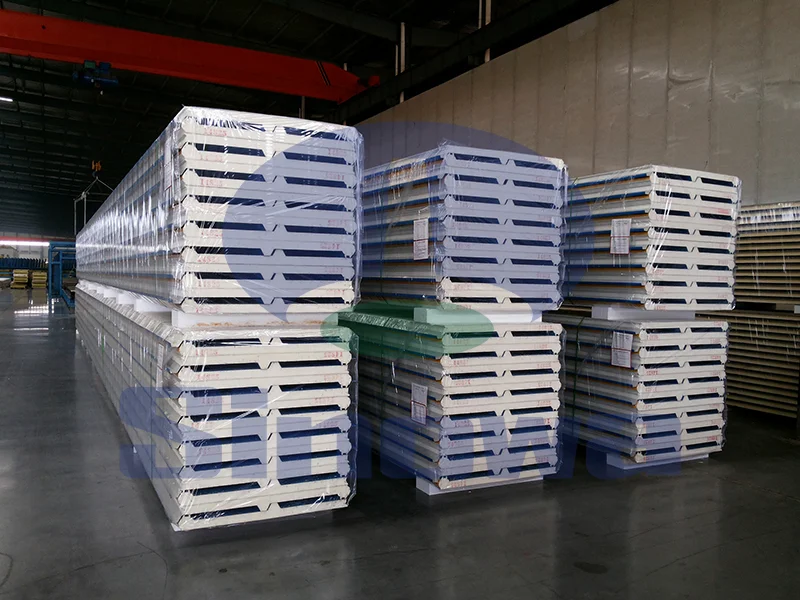
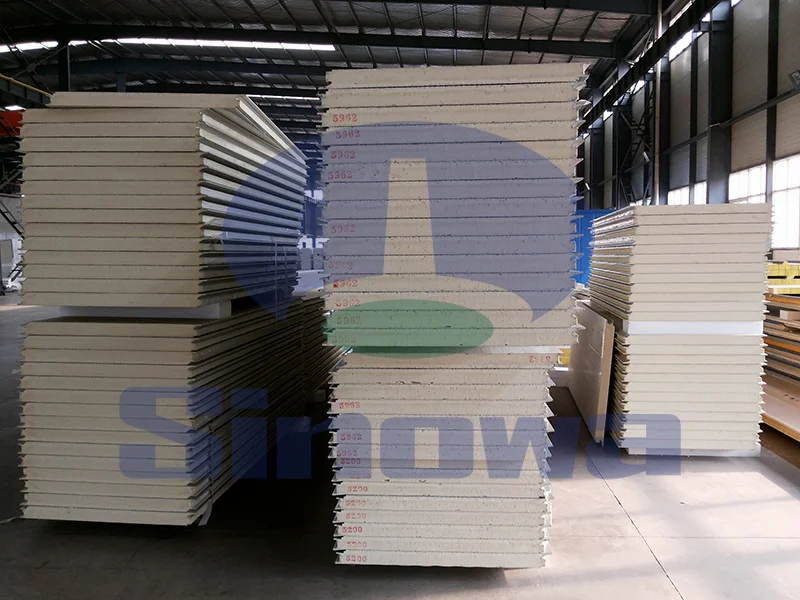
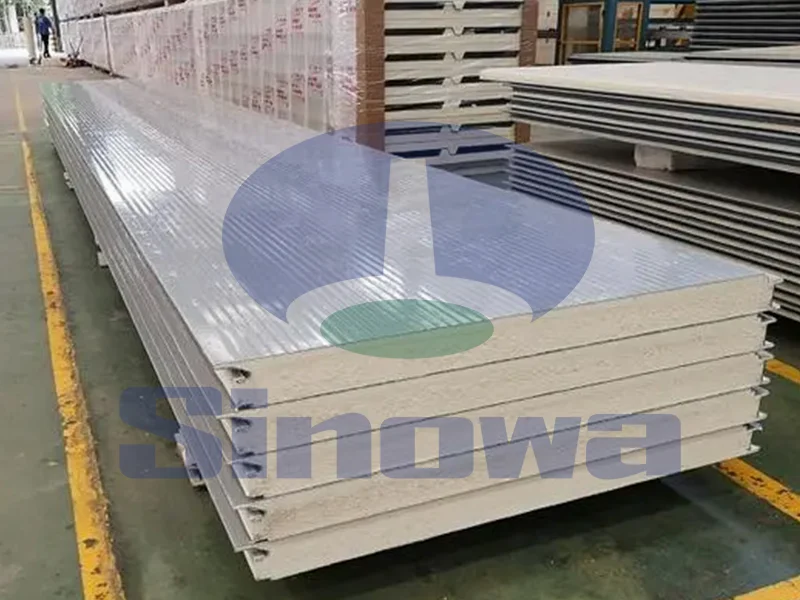
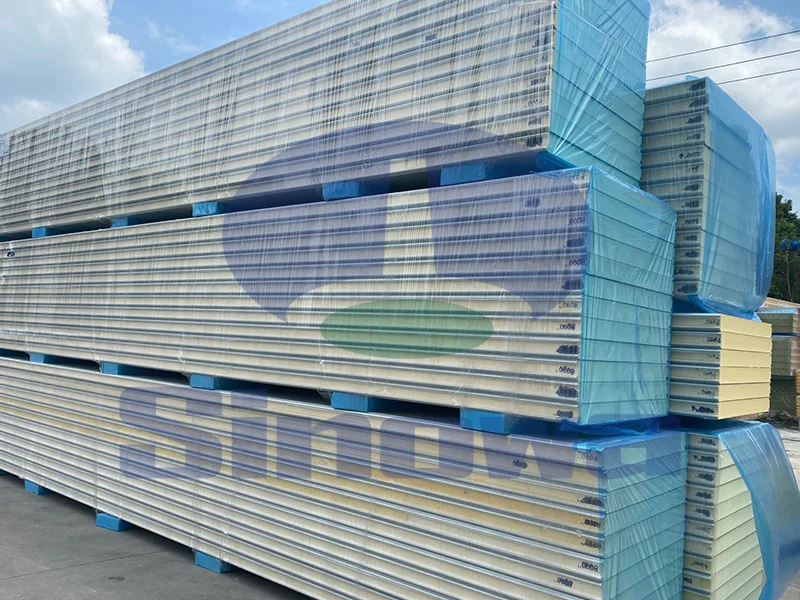
The global construction and manufacturing industries have witnessed a steady evolution in materials and equipment, driven by the growing demand for efficient, durable, and sustainable building solutions. Among the key innovations shaping these sectors are sandwich panels—multi-layered structures composed of two outer facings and a core material—that offer an optimal balance of strength, insulation, and lightweight properties. To meet the rising production needs of these versatile panels, specialized manufacturing machinery has been developed, with three prominent types leading the market: PU Sandwich Panel Making Machinery, PIR Sandwich Panel Making Machinery, and Rockwool Sandwich Panel Making Machinery. Each of these machines is tailored to process specific core materials, leveraging unique technologies to ensure consistent quality, high production efficiency, and adaptability to diverse industry requirements.
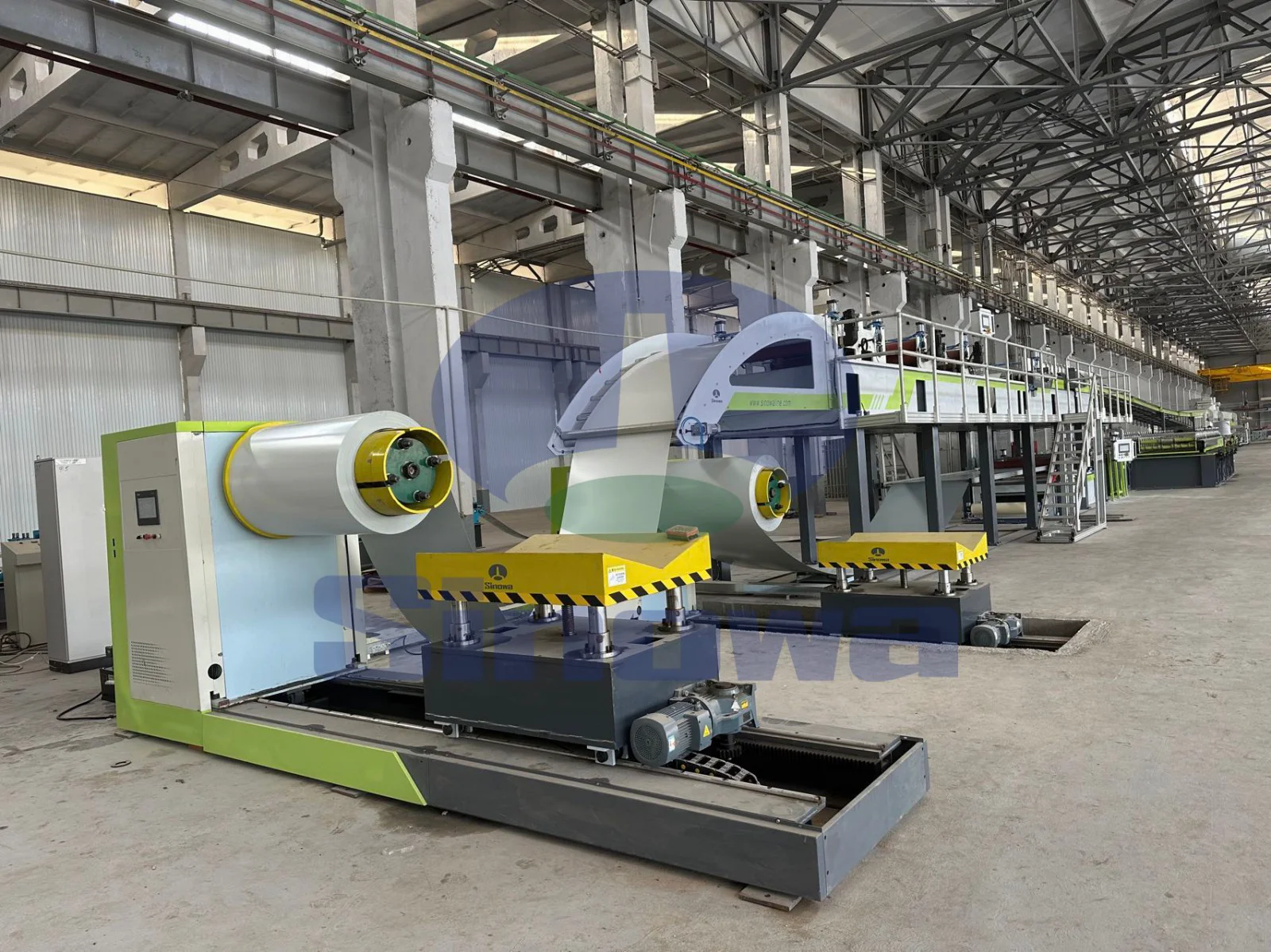
Sandwich panels have become indispensable in modern construction due to their superior performance characteristics. The outer facings, typically made of steel, aluminum, or fiber-reinforced composites, provide structural rigidity and protection, while the core material—whether polyurethane (PU), polyisocyanurate (PIR), or rockwool—delivers insulation, fire resistance, and soundproofing capabilities. The combination of these components results in a material that is lighter than traditional building materials like concrete or brick, yet offers comparable or even superior strength and thermal efficiency. This makes sandwich panels ideal for a wide range of applications, from industrial warehouses and cold storage facilities to commercial buildings, residential structures, and even transportation vehicles such as trucks and shipping containers. As the demand for these panels grows, manufacturers are increasingly relying on specialized machinery to streamline production, reduce labor costs, and ensure consistent product quality. The three types of machinery discussed herein are designed to address the unique properties of their respective core materials, ensuring that the final sandwich panels meet the stringent performance standards required by various industries.
PU Sandwich Panel Making Machinery is engineered to produce sandwich panels with a polyurethane core, a material renowned for its excellent thermal insulation, lightweight nature, and structural integrity. Polyurethane is a polymer formed by the reaction of isocyanates and polyols, a process that occurs during the production of the sandwich panel core. The machinery is designed to facilitate this chemical reaction while ensuring precise bonding between the core and the outer facings, resulting in a panel that is both strong and energy-efficient. The working principle of PU Sandwich Panel Making Machinery revolves around four key stages: material feeding, core foaming, lamination, and cutting. Each stage is carefully controlled to maintain the quality and consistency of the final product, with advanced automation systems ensuring that parameters such as temperature, pressure, and mixing ratios are optimized for optimal performance.
The material feeding system of PU Sandwich Panel Making Machinery is a critical component that ensures the accurate delivery of raw materials to the foaming and lamination sections. The main raw materials required for PU core production are isocyanate, polyol, blowing agent, catalyst, and surfactant. Each of these materials plays a specific role in the foaming process: isocyanate and polyol are the primary reactants that form the polyurethane polymer, the blowing agent creates the cellular structure of the core, the catalyst accelerates the reaction rate, and the surfactant ensures uniform cell formation. The feeding system typically consists of high-precision pumps, storage tanks, and metering devices that deliver the raw materials in exact proportions. This precision is essential, as even minor deviations in the mixing ratio can affect the density, strength, and insulation properties of the PU core. The pumps are designed to handle high-viscosity materials, ensuring consistent flow even when processing materials at varying temperatures.
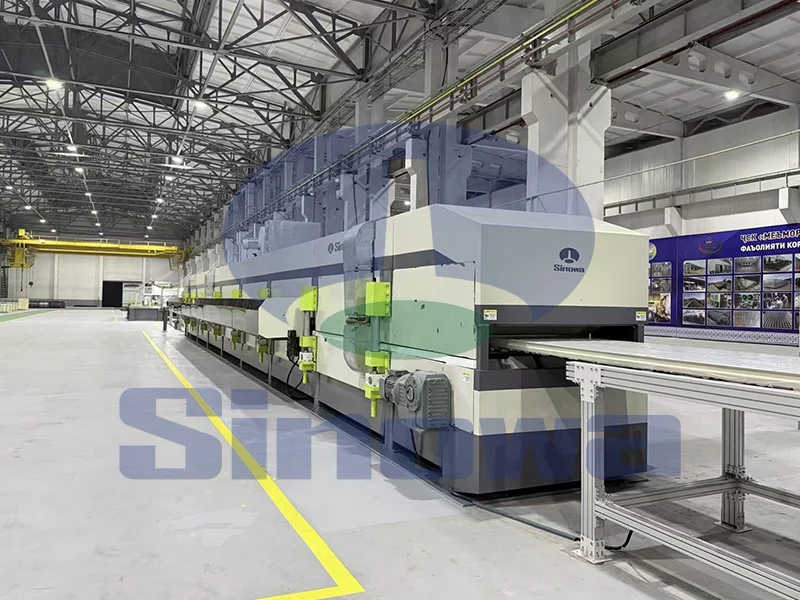
The core foaming section is where the chemical reaction between isocyanate and polyol occurs, resulting in the formation of the polyurethane foam core. This section of the machinery includes a mixing head that combines the raw materials at high pressure, ensuring thorough homogenization. The mixing head is equipped with specialized nozzles that atomize the materials, promoting rapid and uniform reaction. Once mixed, the foam is extruded onto the bottom facing material, which is fed into the machinery from a roll. The foaming process is exothermic, meaning it releases heat, and the machinery is designed to control the temperature of the foam to prevent overheating, which could damage the core structure. The foam expands as it cures, filling the space between the two outer facings and forming a tight bond with them. The rate of expansion and curing is controlled by adjusting the catalyst dosage and the temperature of the production environment, ensuring that the core reaches its optimal density and strength before moving to the next stage.
Lamination is the process of bonding the PU foam core to the outer facings, creating a cohesive sandwich panel. The outer facings, which are typically pre-cut or fed from rolls, are positioned above and below the foaming core as it moves through the machinery. The lamination section consists of a series of rollers that apply uniform pressure to the panel, ensuring that the facings adhere tightly to the core. The pressure applied is carefully calibrated to avoid compressing the foam core excessively, which would reduce its insulation properties, while still ensuring a strong bond. In addition to pressure, some machinery uses heat to enhance the bonding process, particularly when working with facings that require thermal activation of adhesives. The lamination rollers are also designed to maintain the flatness of the panel, preventing warping or uneven surfaces. This stage is critical to the structural integrity of the final product, as a weak bond between the core and facings can lead to delamination over time, compromising the panel’s performance.
The final stage in the production process is cutting, where the continuous panel is cut into specific lengths according to customer requirements. The cutting section of PU Sandwich Panel Making Machinery is equipped with a high-precision cutting tool, typically a circular saw or a blade cutter, that operates at high speed to ensure clean, straight cuts. The cutting tool is synchronized with the movement of the panel, ensuring that the length is accurate and that there is no damage to the edges of the panel. Some advanced machinery includes automated cutting systems that can be programmed to cut panels of varying lengths, reducing the need for manual intervention and increasing production efficiency. After cutting, the panels are inspected for quality, with any defective products removed from the production line. The finished PU sandwich panels are then stacked and prepared for packaging and shipping.
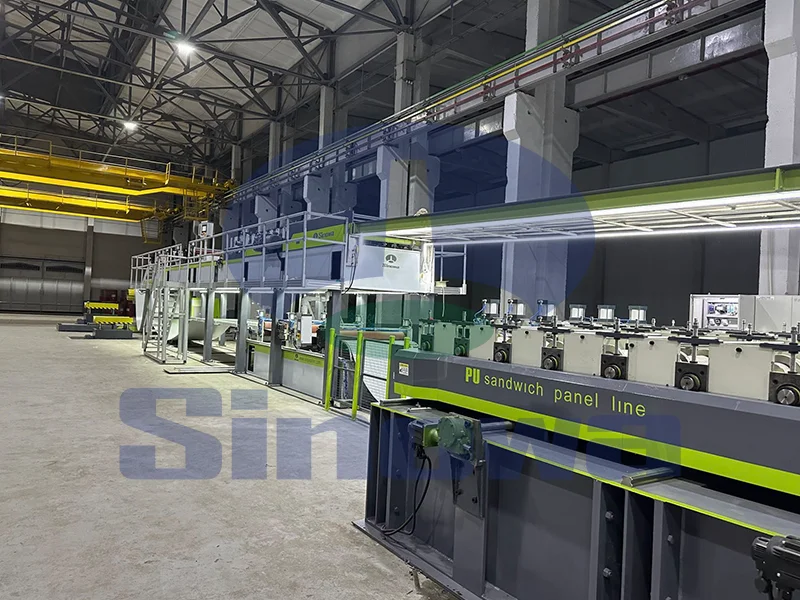
PU Sandwich Panel Making Machinery offers several key advantages that make it a popular choice among manufacturers. One of the primary benefits is its high production efficiency, with modern machines capable of producing panels at speeds of up to 10 meters per minute, depending on the thickness of the panel and the density of the core. This high speed allows manufacturers to meet large order volumes quickly, reducing lead times and improving customer satisfaction. Another advantage is the versatility of the machinery, which can be adjusted to produce panels of varying thicknesses, widths, and densities. This flexibility makes it suitable for a wide range of applications, from thin panels used in interior partitioning to thick panels used in industrial insulation. Additionally, the automation of the production process reduces labor costs and minimizes the risk of human error, ensuring consistent product quality across all panels. The precise control of the foaming and lamination processes also results in PU sandwich panels with excellent thermal insulation properties, making them ideal for use in cold storage facilities, residential buildings, and other applications where energy efficiency is a priority.
PIR Sandwich Panel Making Machinery is closely related to PU machinery but is specialized for producing panels with a polyisocyanurate core. PIR is a type of polyurethane foam that has been modified to enhance its fire resistance and thermal stability, making it a preferred choice for applications where fire safety is a critical concern. The working principle of PIR Sandwich Panel Making Machinery is similar to that of PU machinery, but with adjustments to accommodate the unique properties of PIR raw materials and the modified foaming process. Like PU machinery, PIR machinery consists of material feeding, core foaming, lamination, and cutting sections, each optimized to ensure the production of high-quality PIR sandwich panels.
The material feeding system for PIR Sandwich Panel Making Machinery is designed to handle the specialized raw materials required for PIR core production. In addition to isocyanate and polyol, PIR production requires a flame retardant additive, which is mixed with the other raw materials to enhance the fire resistance of the core. The flame retardant can be either reactive or additive: reactive flame retardants are incorporated into the polymer structure during the reaction, while additive flame retardants are mixed into the raw materials without forming chemical bonds. The feeding system must deliver the flame retardant in precise proportions to ensure that the PIR core meets the required fire safety standards, while also maintaining the other performance properties of the foam. The metering devices and pumps used in PIR machinery are often more precise than those used in PU machinery, as the addition of flame retardants increases the complexity of the mixing process.
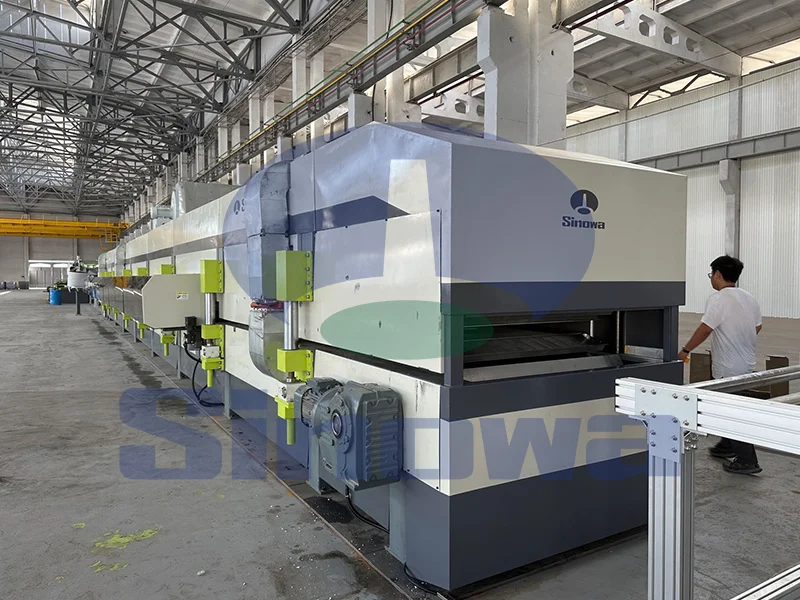
The core foaming section of PIR Sandwich Panel Making Machinery is modified to accommodate the slower reaction rate of PIR raw materials. Unlike PU foam, which cures relatively quickly, PIR foam requires a longer curing time to ensure complete cross-linking of the polymer chains, which is essential for its fire resistance and thermal stability. The mixing head in PIR machinery is designed to provide more thorough mixing of the raw materials, ensuring that the flame retardant is evenly distributed throughout the foam. The foaming process is also controlled at a lower temperature than PU foaming, as excessive heat can degrade the flame retardant and reduce its effectiveness. The foam is extruded onto the bottom facing and allowed to expand more slowly, ensuring that the cellular structure is uniform and that the core has the required density and strength. Some PIR machinery includes a pre-curing zone after the foaming section, where the foam is held at a controlled temperature to accelerate the curing process without compromising quality.
The lamination process for PIR sandwich panels is similar to that for PU panels, but with adjustments to the pressure and temperature to accommodate the slower curing of the PIR core. The rollers in the lamination section apply uniform pressure to ensure that the outer facings bond tightly to the core, but the pressure is often lower than that used in PU machinery to avoid compressing the slower-curing foam. In some cases, the lamination section may include heated rollers to gently warm the facings, promoting better adhesion to the PIR core. The lamination process is also slower, as the core requires more time to cure and bond with the facings. This slower speed is offset by the superior fire resistance of the final product, which makes PIR sandwich panels ideal for use in commercial buildings, hospitals, schools, and other public spaces where fire safety is a top priority.
The cutting section of PIR Sandwich Panel Making Machinery is similar to that of PU machinery, with high-precision cutting tools that ensure clean, accurate cuts. However, because PIR foam is denser and more rigid than PU foam, the cutting tool must be sharper and operate at a higher speed to avoid damaging the panel edges. Some PIR machinery includes a cooling zone before the cutting section, where the panel is cooled to room temperature to ensure that the core is fully cured and that the cutting process does not cause the foam to crumble or delaminate. After cutting, the panels are inspected for fire resistance, thermal insulation, and structural integrity, with strict quality control measures in place to ensure compliance with industry standards.
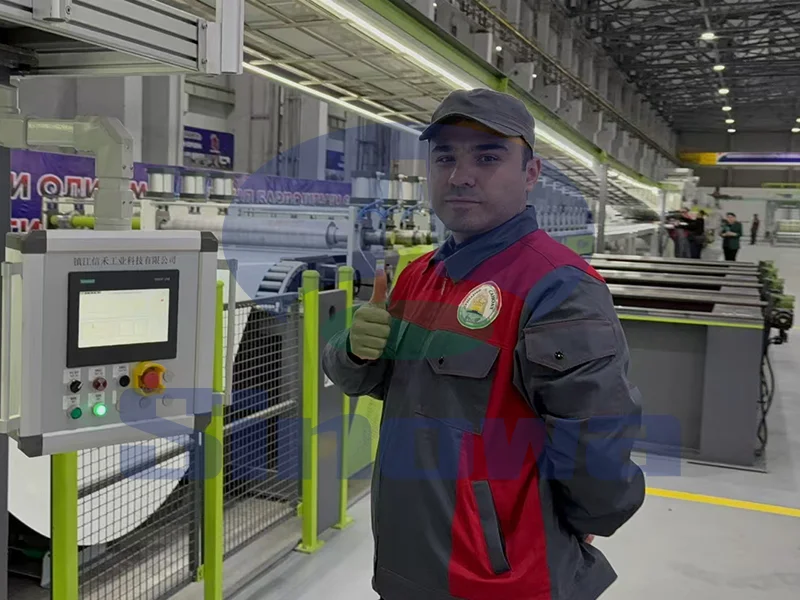
The key advantage of PIR Sandwich Panel Making Machinery is its ability to produce panels with superior fire resistance compared to PU panels. PIR foam has a higher limiting oxygen index (LOI) than PU foam, meaning it requires more oxygen to burn, and it produces less smoke and toxic fumes when exposed to fire. This makes PIR sandwich panels suitable for use in applications where fire safety regulations are strict, such as high-rise buildings, public facilities, and industrial plants. Additionally, PIR foam has excellent thermal insulation properties, comparable to or even better than PU foam, making it an energy-efficient choice for insulation applications. PIR machinery also offers good versatility, with the ability to produce panels of varying thicknesses and widths, and it can be adapted to process different types of outer facings, including steel, aluminum, and fiber-reinforced composites. While PIR machinery typically operates at a slower speed than PU machinery, the superior performance of the final product makes it a valuable investment for manufacturers targeting high-demand, fire-safe applications.
Rockwool Sandwich Panel Making Machinery is specialized for producing sandwich panels with a rockwool core, a material made from molten rock (typically basalt or diabase) that is spun into fibers and bonded together with a binder. Rockwool is known for its excellent fire resistance, sound insulation, and thermal stability, making it ideal for use in industrial, commercial, and residential applications where fire safety and noise reduction are critical. Unlike PU and PIR cores, which are formed through chemical reactions, rockwool cores are pre-manufactured and fed into the machinery, making the production process for rockwool sandwich panels distinct from that of PU and PIR panels. Rockwool Sandwich Panel Making Machinery focuses on laminating the pre-formed rockwool core with outer facings, ensuring a strong bond and consistent panel quality.
The core component of Rockwool Sandwich Panel Making Machinery is the material handling system, which is designed to feed pre-formed rockwool cores into the lamination section. Rockwool cores are typically available in sheets of varying thicknesses and densities, and the handling system must be able to transport these cores without damaging them. The system includes conveyor belts, rollers, and positioning devices that align the rockwool core precisely between the two outer facings. Some advanced machinery includes automated core feeding systems that can handle multiple core sizes and adjust the positioning automatically, reducing manual intervention and increasing production efficiency. The outer facings are fed into the machinery from rolls or as pre-cut sheets, similar to PU and PIR machinery, and are positioned above and below the rockwool core.
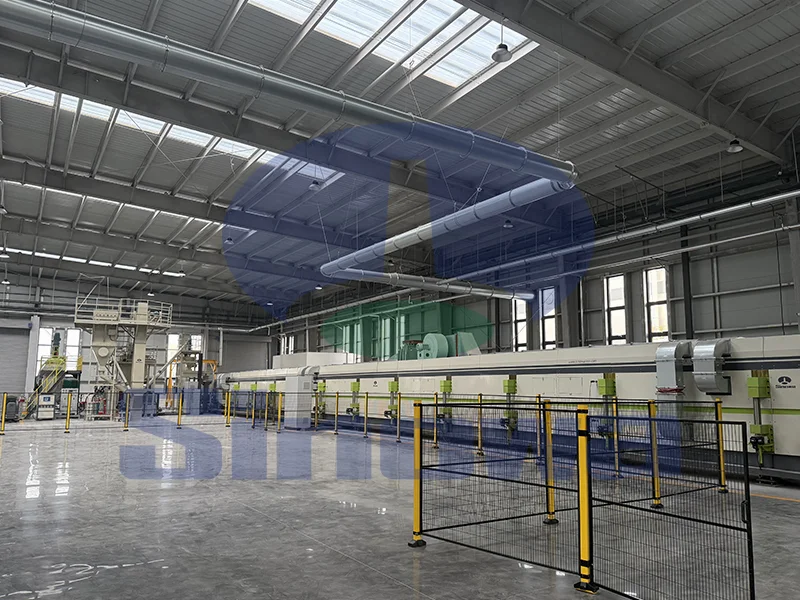
The lamination section is the most critical part of Rockwool Sandwich Panel Making Machinery, as it is responsible for bonding the outer facings to the rockwool core. Unlike PU and PIR cores, which bond to the facings through chemical reactions, rockwool cores require an adhesive to form a strong bond with the facings. The lamination section includes an adhesive application system that applies a uniform layer of adhesive to the outer surfaces of the rockwool core or to the inner surfaces of the outer facings. The adhesive used is typically a water-based or solvent-based adhesive that is compatible with both rockwool and the facing material (e.g., steel, aluminum). The adhesive application system includes rollers or spray nozzles that ensure even coverage, with precise control over the adhesive thickness to avoid excess adhesive buildup or insufficient bonding.
After the adhesive is applied, the rockwool core and outer facings are fed into a lamination press or a series of rollers that apply uniform pressure and heat to promote adhesive curing. The pressure applied is carefully calibrated to ensure that the facings adhere tightly to the core without compressing the rockwool excessively, which would reduce its sound and thermal insulation properties. The temperature in the lamination section is controlled to accelerate the curing of the adhesive, with the exact temperature depending on the type of adhesive used. Some machinery uses hot air or infrared heaters to warm the panel, ensuring that the adhesive cures evenly and forms a strong bond. The lamination process for rockwool panels typically takes longer than that for PU and PIR panels, as the adhesive requires time to cure fully. However, modern machinery has optimized this process to reduce curing time while maintaining bond strength.
The cutting section of Rockwool Sandwich Panel Making Machinery is designed to cut the continuous panel into specific lengths, similar to PU and PIR machinery. However, rockwool is a fibrous material that can produce dust during cutting, so the cutting section is often equipped with dust collection systems to maintain a clean production environment and protect workers’ health. The cutting tool is typically a diamond-tipped saw or a high-speed blade that can cut through the rockwool core and outer facings cleanly. The cutting process is synchronized with the movement of the panel to ensure accurate length, and the edges of the cut panels are often smoothed or trimmed to remove any loose fibers. After cutting, the panels are inspected for bond strength, flatness, and overall quality, with defective panels removed from the production line.
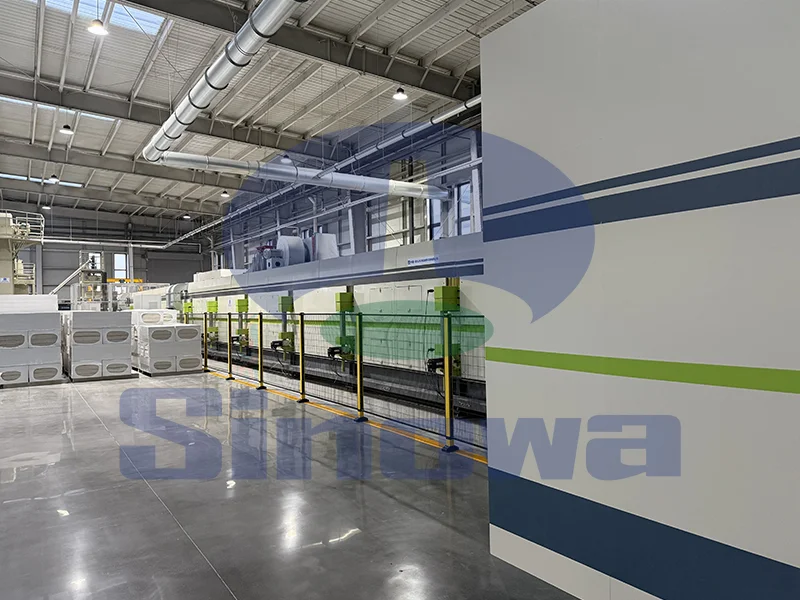
Rockwool Sandwich Panel Making Machinery offers several unique advantages that make it a preferred choice for manufacturers targeting fire-safe and sound-insulating applications. The primary advantage is the superior fire resistance of rockwool cores, which are non-combustible and can withstand high temperatures without melting or releasing toxic fumes. This makes rockwool sandwich panels ideal for use in industrial furnaces, power plants, and other high-temperature environments, as well as in public buildings and residential structures where fire safety is a priority. Rockwool also has excellent sound insulation properties, making it suitable for use in noise-sensitive applications such as hospitals, schools, and recording studios. Additionally, rockwool is a sustainable material, as it can be made from recycled rock and is fully recyclable at the end of its lifespan. Rockwool Sandwich Panel Making Machinery is also highly versatile, with the ability to process rockwool cores of varying thicknesses and densities, and to work with a wide range of outer facings, making it suitable for diverse industry needs.
While PU, PIR, and Rockwool Sandwich Panel Making Machinery are each specialized for their respective core materials, they share several common features and challenges. All three types of machinery rely on advanced automation systems to ensure consistent production quality, with modern machines incorporating PLC (Programmable Logic Controller) systems that allow for precise control of production parameters. These PLC systems can be programmed to adjust feeding rates, mixing ratios, pressure, and temperature, making it easy for manufacturers to switch between different panel specifications. Additionally, all three types of machinery require regular maintenance to ensure optimal performance, with components such as pumps, mixing heads, and cutting tools needing periodic inspection and replacement. Maintenance is particularly important for the material feeding and mixing systems, as clogs or wear can lead to inconsistent product quality.
One of the common challenges faced by manufacturers using these machines is the need to comply with evolving industry standards and regulations, particularly regarding fire safety and environmental sustainability. For example, many countries have implemented stricter fire safety standards for building materials, driving demand for PIR and rockwool sandwich panels over PU panels in certain applications. Similarly, environmental regulations are pushing manufacturers to use more sustainable raw materials and reduce the environmental impact of production processes. This has led to innovations in machinery design, such as the development of low-emission mixing heads for PU and PIR machinery, and dust collection systems for rockwool machinery, which help reduce air pollution. Additionally, manufacturers are increasingly adopting energy-efficient machinery, which reduces power consumption and lowers operating costs.
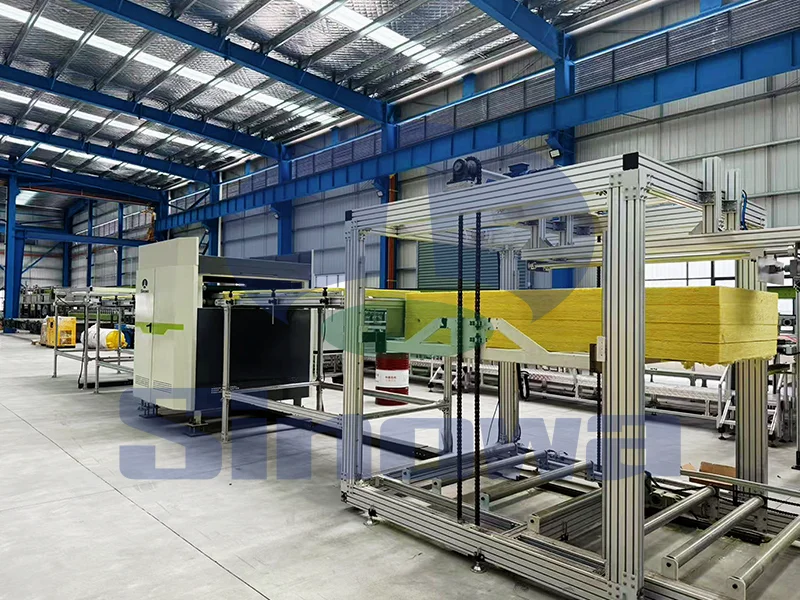
Another common challenge is the need to adapt to changing market demands, which require machinery to be flexible and versatile. For example, the growing demand for custom-sized panels and specialized applications (such as curved panels for architectural projects) has led to the development of modular machinery that can be easily modified to meet specific requirements. Modular machinery allows manufacturers to add or remove components as needed, reducing the need for large capital investments in new equipment. Additionally, the rise of smart manufacturing has led to the integration of IoT (Internet of Things) technology into sandwich panel making machinery, allowing for real-time monitoring of production processes, predictive maintenance, and remote operation. IoT-enabled machines can collect data on production speed, quality, and equipment performance, providing manufacturers with valuable insights to optimize their operations and reduce downtime.
The global market for sandwich panel making machinery is expected to grow significantly in the coming years, driven by several key factors. The growing construction industry in emerging economies, particularly in Asia-Pacific and the Middle East, is a major driver, as these regions are investing heavily in infrastructure development, industrial facilities, and residential construction. The increasing focus on energy efficiency and sustainability is also boosting demand for sandwich panels, as they help reduce energy consumption in buildings and minimize environmental impact. Additionally, the rising demand for prefabricated buildings, which rely heavily on sandwich panels for quick and efficient construction, is driving growth in the machinery market. Prefabricated construction offers several advantages over traditional construction, including shorter construction times, lower labor costs, and improved quality control, making it increasingly popular across the globe.
When comparing the three types of machinery, it is important to consider the specific needs of the manufacturer and the target market. PU Sandwich Panel Making Machinery is ideal for manufacturers focusing on high production speed and energy-efficient panels for general construction applications. PIR Machinery is better suited for manufacturers targeting fire-safe applications, where the superior fire resistance of PIR panels is a key selling point. Rockwool Machinery is the best choice for manufacturers producing panels for high-temperature environments, noise-sensitive applications, or sustainable building projects. Many manufacturers choose to invest in multiple types of machinery to cater to diverse customer needs, allowing them to offer a full range of sandwich panel products.
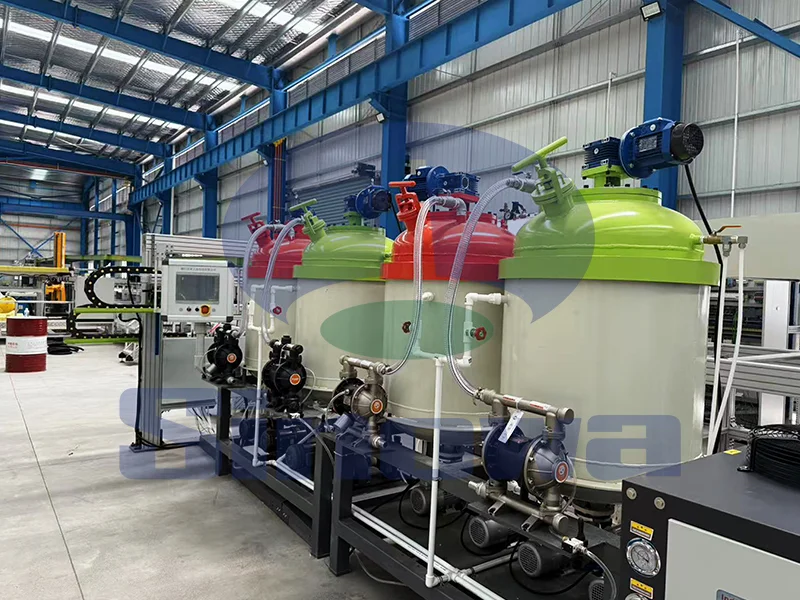
In terms of technological advancements, the future of sandwich panel making machinery is likely to focus on increased automation, improved energy efficiency, and enhanced sustainability. Manufacturers are expected to continue integrating smart technologies such as IoT and AI (Artificial Intelligence) into their machinery, allowing for more precise control of production processes and predictive maintenance. AI-powered systems can analyze production data to identify patterns and optimize parameters, reducing waste and improving product quality. Additionally, there is a growing focus on developing machinery that uses renewable energy sources, such as solar power, to reduce carbon emissions. The development of bio-based raw materials for PU and PIR cores is also expected to influence machinery design, as these materials may require adjustments to feeding and mixing systems.
Another trend in the industry is the miniaturization of machinery, which allows smaller manufacturers to enter the market without large capital investments. Compact sandwich panel making machines are designed to occupy less space and consume less energy, making them suitable for small-scale production facilities. These machines often retain the core features of larger machinery, including automation and precision control, allowing small manufacturers to produce high-quality panels for local markets. Additionally, the development of mobile sandwich panel making machines is enabling on-site production, which is particularly useful for large construction projects in remote areas, reducing transportation costs and carbon emissions associated with shipping pre-manufactured panels.
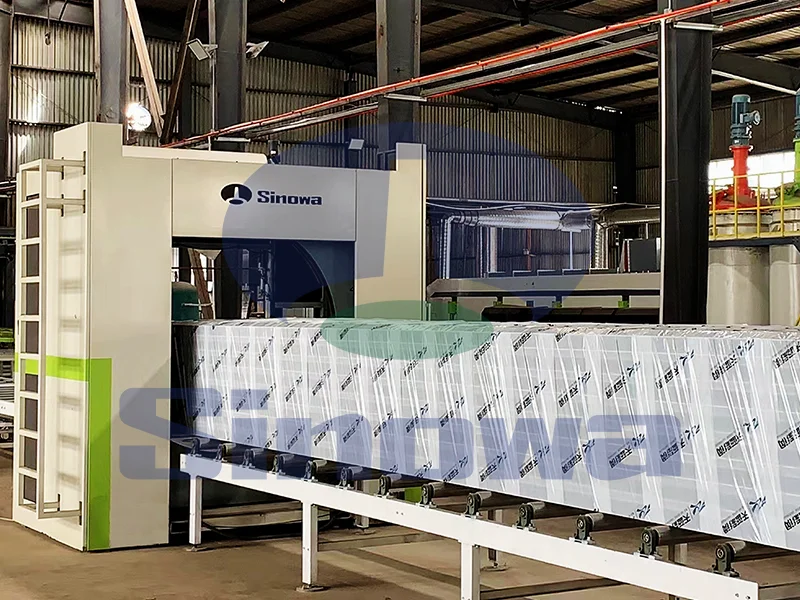
Quality control is a critical aspect of sandwich panel production, and advancements in machinery are making it easier for manufacturers to ensure consistent product quality. Modern machinery includes built-in quality control systems that monitor key parameters such as core density, panel thickness, bond strength, and surface flatness. These systems can detect defects in real time, allowing for immediate adjustments to the production process. For example, if the core density is too low, the machinery can automatically adjust the mixing ratio or feeding rate to correct the issue. Some advanced systems even use machine vision technology to inspect the surface of the panels for defects such as scratches, dents, or uneven bonding, ensuring that only high-quality products reach the market.
In conclusion, PU Sandwich Panel Making Machinery, PIR Sandwich Panel Making Machinery, and Rockwool Sandwich Panel Making Machinery are essential tools in the modern construction and manufacturing industries, enabling the production of high-performance sandwich panels for diverse applications. Each type of machinery is tailored to process specific core materials, leveraging unique technologies to ensure consistent quality, efficiency, and adaptability. PU machinery offers high production speed and energy efficiency, PIR machinery delivers superior fire resistance, and rockwool machinery provides excellent fire safety and sound insulation. As the industry continues to evolve, driven by demand for sustainable, energy-efficient, and fire-safe building materials, these machines are expected to undergo further innovations, incorporating smart technologies, improving energy efficiency, and enhancing versatility. Whether for large-scale industrial production or small-scale local manufacturing, these machines play a vital role in meeting the growing global demand for high-quality sandwich panels, shaping the future of construction and manufacturing worldwide.