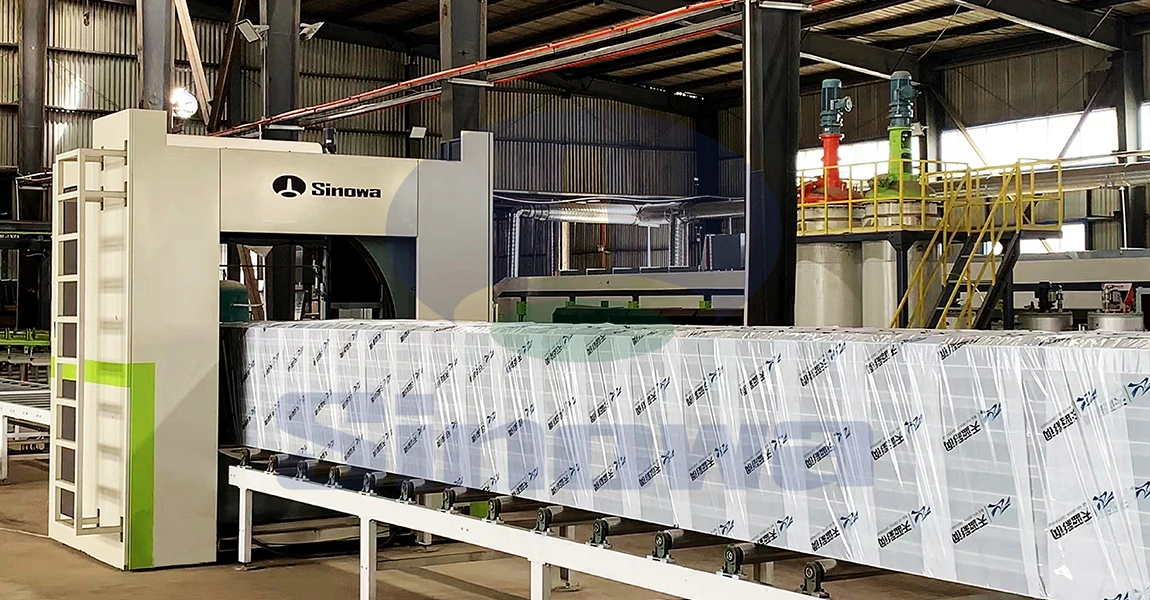
PUR Sandwich Panel Production Line

Sinowa is a manufacturer of high-end & high-efficiency pur sandwich panel production line in china, supplier is a pur insulation sandwich panel machinery factory, customized and design high-quality & high-precision pur sandwich panel machine with a reasonable price, the equipment is a high-tech automatic and continuous pur sandwich panel line plant.

The pur sandwich panel line is the core equipment for modern building insulation material production, integrating mechanical, electrical, hydraulic, and automation technologies. This production line can efficiently produce sandwich panels with excellent insulation performance, which are widely used in fields such as building exterior wall insulation, cold storage construction, and industrial plants.

PUR Sandwich Panel Production Line

A complete pur sandwich panel production line is a precision system composed of multiple functional modules, which work together to achieve fully automated production from raw materials to finished products. These modules are arranged in an orderly manner according to the process flow, forming a continuous production line.

pur board production line

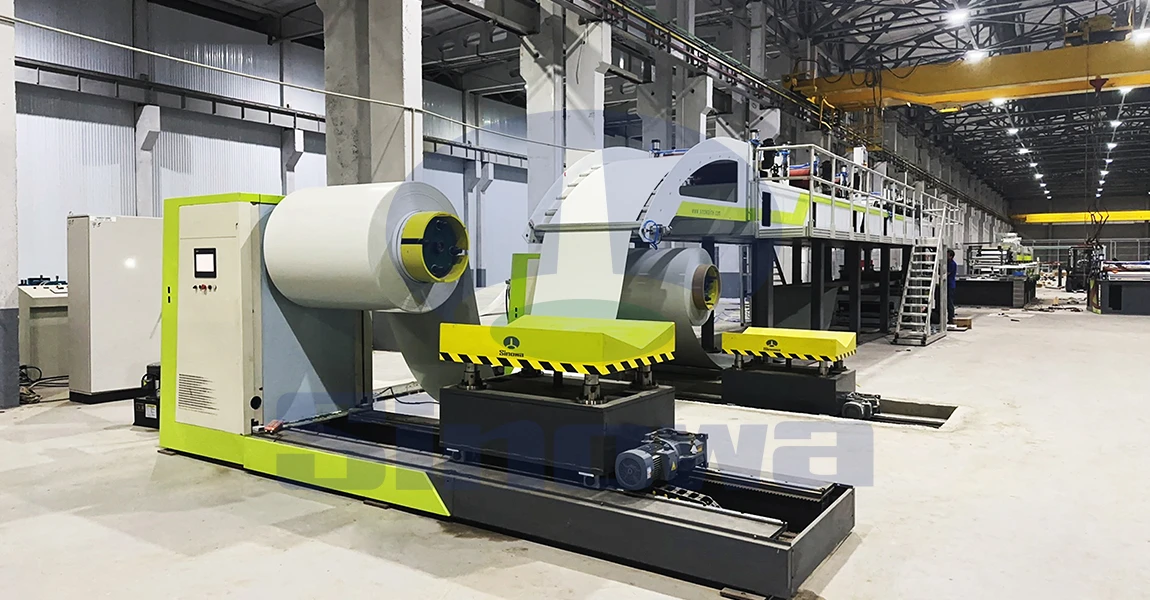
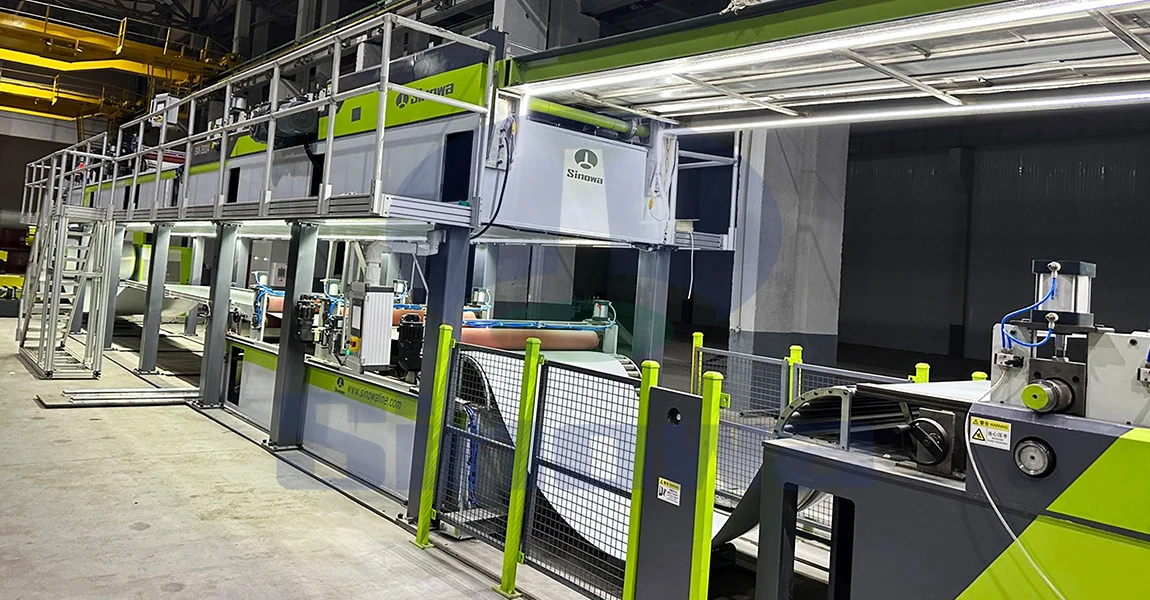
The unwinding and forming system is the starting section of the pur sandwich panel machine, usually consisting of two sets of unwinding devices. The uncoiler adopts a welded steel frame, equipped with a hydraulic correction system and pneumatic brake, capable of processing steel coils with a width of 800-1250mm, ensuring smooth unfolding of the coil and maintaining constant tension. The forming unit consists of multiple sets of pressure rollers, which can press flat metal coils into the desired cross-sectional shape, such as corrugated boards, trapezoidal boards, etc., with a forming speed of up to 15m/min. The advanced production line is also equipped with a fast mold changing mechanism, which can switch between different plate types for production in a short period of time.

pur sandwich panel line

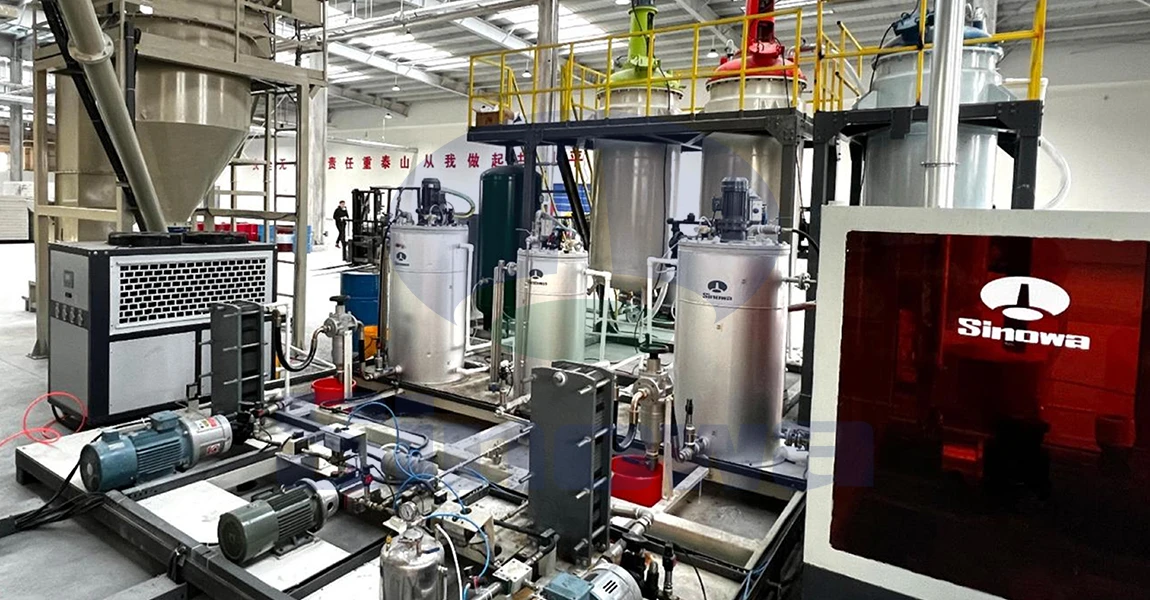
The preheating and foaming system is a key link in the pur sandwich panel manufacturing line. Preheating devices often use electric heating to heat the lower substrate to 50-70 ℃, creating ideal conditions for subsequent foaming. The foaming machine is the core equipment, divided into two types: high pressure and low pressure. It is equipped with two material tanks, A (polyether polyol) and B (isocyanate), with capacities of 1100L and 80L respectively. Through high-precision metering pumps (gear pumps and diaphragm pumps) and variable frequency control systems, the raw materials are mixed in precise proportions. The mixing head rotates at a speed of up to 4500r/min, ensuring that the components are fully mixed and evenly poured onto the bottom layer material.

pur sandwich panel production line

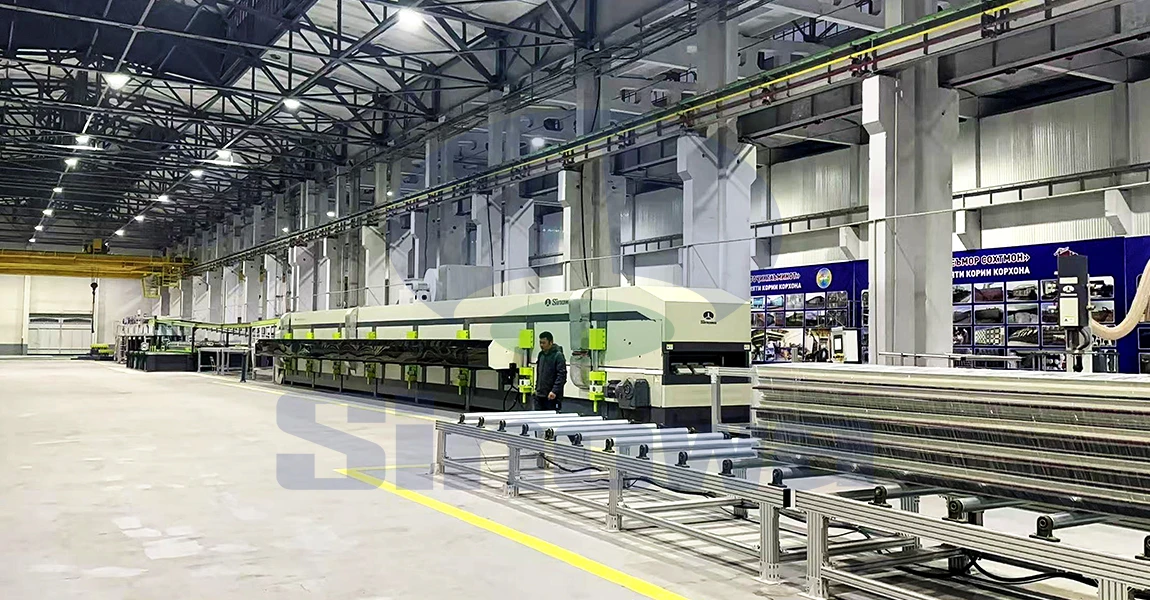
The double track laminating machine is the core forming equipment of the pur sandwich panel line, usually 24 meters long, consisting of a frame, chain plate unit, lifting unit, and insulation unit. The frame adopts a welded structure of H-beam and plate, and is processed by CNC to ensure accuracy. The chain plate unit consists of a drive motor, sprocket, track plate, and chain block, etc. It uses a high-precision hard tooth surface reduction motor to ensure smooth operation. The lifting unit adjusts the distance between the upper and lower bodies through a hydraulic system, accurately controlling the thickness of the sheet metal. The insulation unit adopts electric heating tubes combined with fuel stoves for heating, with a controllable temperature between 40-120 ℃, providing a stable thermal environment for polyurethane foaming and curing.


pur sandwich panel machine

Polyurethane (PUR) sandwich panels have become indispensable in modern construction and industrial applications due to their exceptional combination of thermal insulation, structural strength, lightweight properties, and weather resistance. These composite panels, consisting of two outer facings and a PUR foam core, are produced through advanced automated systems known as PUR sandwich panel production lines. These lines integrate a series of interconnected processes to ensure continuous, high-quality manufacturing, meeting the growing demand for efficient and durable building materials across various sectors. From uncoiling raw materials to packaging finished products, every stage of the production line is designed to optimize precision, consistency, and productivity, while adapting to diverse application requirements.

The fundamental design of a PUR sandwich panel line revolves around the seamless integration of multiple functional units, each performing a critical role in transforming raw materials into finished panels. The core objective of such lines is to achieve a continuous production flow that minimizes downtime, reduces material waste, and maintains uniform product quality. Unlike traditional manual or semi-automated processes, modern production lines leverage advanced control systems and mechanical engineering to handle large volumes of materials with high accuracy. This level of automation not only enhances production efficiency but also ensures that each panel meets strict performance standards, including consistent core density, uniform bonding between facings and core, and precise dimensional tolerance. As the demand for energy-efficient and sustainable building solutions continues to rise, PUR sandwich panel manufacturing lines have evolved to incorporate eco-friendly technologies and flexible configurations, making them suitable for a wide range of panel types and applications.

The production process of PUR sandwich panels begins with the preparation and feeding of outer facings, which are typically made of metal sheets such as galvanized steel, aluminum, or pre-coated metal. These facings serve as the structural backbone of the panel, providing rigidity, impact resistance, and protection against environmental factors. The first stage in this process is the uncoiling of metal coils, which are stored on large uncoiler units. Each production line is equipped with at least two uncoilers—one for the upper facing and one for the lower facing—to ensure continuous material supply. The uncoiler units are designed with tension control systems to maintain the flatness of the metal sheets as they are fed into the line, preventing wrinkles or deformations that could compromise the final product quality. Additionally, automatic strip connection machines are integrated into the uncoiling section, allowing for coil changes without stopping the entire production line. This feature significantly reduces downtime and ensures a seamless material flow, a crucial factor in high-volume manufacturing environments.

After uncoiling, the metal sheets proceed to the roll forming section, where they are shaped into the desired profile. Roll forming is a progressive bending process that uses a series of consecutive rollers to gradually form the metal sheets into specific cross-sectional shapes, such as trapezoidal, corrugated, or flat profiles, depending on the intended application of the panel. For example, roof panels often require trapezoidal profiles to enhance water drainage and structural stability, while wall panels may have flat or slightly corrugated surfaces for aesthetic and functional purposes. The roll forming machines are equipped with adjustable roller sets, allowing for quick profile changes to accommodate different panel designs. This flexibility is essential for manufacturers who need to produce multiple panel types to meet diverse customer requirements. The rollers are driven by precision motors with electronic control systems to ensure synchronous feeding of the upper and lower facings, eliminating tension or thrust that could cause misalignment during subsequent processes.

In cases where the PUR sandwich panels incorporate mineral wool or other fibrous cores, an additional feeding system is integrated into the production line to handle these materials. Mineral wool slabs are cut into precise strips using automated cutting machines, which adjust the width and length of the strips according to the panel dimensions. The cut mineral wool strips are then rotated and fed between the upper and lower metal facings, with additional trapezoidal filler strips inserted to fill the ribs of roof panels. This process is fully automated and performed online, ensuring that the core material is evenly distributed and properly aligned within the facings. The integration of mineral wool feeding systems expands the versatility of the production line, allowing for the manufacture of panels with hybrid cores that combine the thermal insulation properties of PUR foam with the fire resistance of mineral wool.

Prior to the application of PUR foam, the metal facings undergo a preheating process to optimize the bonding efficiency between the facings and the foam core. The preheating station uses controlled heating elements to raise the temperature of the inner surfaces of the facings to a specific range, typically between 30 and 60 degrees Celsius. This temperature range ensures that the PUR foam mixture reacts uniformly upon contact with the facings, promoting strong adhesion and preventing delamination. The preheating process is carefully monitored to maintain consistent temperature across the entire surface of the facings, as uneven heating can lead to inconsistent foam curing and reduced panel performance. Advanced preheating systems incorporate temperature sensors and feedback mechanisms to adjust the heating intensity in real time, adapting to variations in ambient temperature and production speed.

The application of PUR foam is a critical stage in the production process, as the foam core determines the thermal insulation, sound absorption, and structural properties of the sandwich panel. PUR foam is produced by mixing two or more liquid components—typically polyol and isocyanate—along with additives such as blowing agents, catalysts, and surfactants. These components are delivered to a high-pressure metering machine, which precisely doses the ingredients in the correct ratio to achieve the desired foam density and properties. The metering machine ensures accurate mixing and consistent flow, preventing variations in foam quality that could affect the panel's performance. The foam mixture is then applied to the inner surface of one of the metal facings using an oscillating coating gantry, which distributes the foam evenly across the width of the facing. The oscillating motion of the gantry ensures uniform coverage, even for panels of varying widths, and allows for adjustments in foam thickness to meet specific insulation requirements.

Once the PUR foam is applied, the upper and lower metal facings—with the core material (either foam alone or foam and mineral wool combination) in between—are fed into a double belt laminator. This machine consists of two continuous, parallel belts that apply uniform pressure and temperature to the panel assembly as it moves through the line. The double belt laminator acts as a continuously moving mold, shaping the panel and ensuring that the PUR foam cures properly while maintaining the desired thickness and flatness. The belts are made of durable materials capable of withstanding high temperatures and pressures, and they are equipped with tension control systems to prevent slippage or misalignment. The curing process within the double belt laminator is carefully controlled, with the temperature and pressure adjusted according to the foam formulation and production speed. This controlled curing environment ensures that the PUR foam expands to the correct density and bonds securely to the metal facings, resulting in a strong, rigid sandwich panel.

After curing, the continuous sandwich panel ribbon is cut into individual panels of the desired length using a cross-cutting machine. The cross-cutting machine is equipped with a high-precision flying saw or band saw that moves synchronously with the panel ribbon to ensure clean, accurate cuts without damaging the panel edges. The cutting length is controlled by the production line's central control system, which allows operators to set specific dimensions and adjust the cutting speed to match the production rate. Advanced cross-cutting machines incorporate laser positioning systems to achieve cutting length tolerances of +/- 2 millimeters or less, ensuring that each panel meets strict dimensional requirements. After cutting, the individual panels are transferred to a cooling conveyor, where they are allowed to cool to ambient temperature. This cooling process stabilizes the foam core and ensures that the panel maintains its shape and structural integrity.

Once cooled, the panels are moved to the stacking and packaging section of the production line. Automated stacking machines use vacuum suction cups or mechanical arms to lift and place the panels onto pallets, ensuring careful handling to prevent surface damage or edge deformation. The stacking process is designed to maximize pallet space while maintaining the stability of the stack, with protective materials such as EPS sheets or plastic film inserted between layers to prevent scratches. After stacking, the pallets are wrapped with stretch film using an automatic wrapping machine, which secures the panels and protects them from moisture, dust, and damage during transportation. The wrapped pallets are then ready for storage or delivery to customers, completing the production cycle.

The entire operation of a PUR sandwich panel making line is controlled by a centralized control system, typically based on programmable logic controllers (PLC) with a human-machine interface (HMI). This control system integrates all the functional units of the line, allowing for real-time monitoring and adjustment of production parameters such as speed, temperature, pressure, foam dosage, and cutting length. Operators can use the HMI to set production recipes for different panel types, store historical production data, and troubleshoot issues through diagnostic tools. The decentralized control architecture ensures that each section of the line operates in harmony, with feedback mechanisms that adjust parameters automatically to maintain product quality. For example, if the temperature in the preheating station deviates from the set range, the control system will adjust the heating elements immediately to prevent defects in the foam bonding. Additionally, the control system can generate production reports, providing insights into output volume, material consumption, and equipment performance, which helps manufacturers optimize efficiency and reduce costs.

The performance and efficiency of a PUR sandwich panel production machine are influenced by several key factors, including equipment configuration, raw material quality, and operational practices. Equipment configuration must be tailored to the specific production requirements, such as panel width, thickness, and core material type. Production lines can be customized to handle panel widths ranging from 1000mm to 1500mm or more, and thicknesses from 10mm to over 100mm, depending on the application. For example, cold storage facilities require thick panels (above 100mm) with high-density foam cores for enhanced thermal insulation, while commercial building walls may use thinner panels (51-100mm) for a balance of insulation and structural performance. Raw material quality is also critical, as variations in the properties of metal facings or PUR foam components can affect the final product. High-quality metal sheets with consistent thickness and surface finish ensure uniform forming and bonding, while pure, well-formulated foam components guarantee stable curing and optimal insulation properties.

Operational practices play a vital role in maintaining the efficiency and longevity of the production line. Regular maintenance of equipment is essential to prevent breakdowns and ensure consistent performance. This includes checking the tightness of bolts, lubricating moving parts, cleaning rollers and conveyor belts, and inspecting heating elements and sensors. Operators should be trained to identify and address abnormalities such as vibrations, abnormal noise, or variations in product quality, as prompt intervention can prevent costly downtime and material waste. Before starting production each day, all pipes and components should be thoroughly cleaned to remove debris and residual foam, which can clog the system and affect foam application. Additionally, establishing a routine cleaning and maintenance schedule helps prolong the service life of the equipment and maintain product quality over time.

PUR sandwich panel machines are widely used across various industries, driven by the growing demand for energy-efficient and modular construction solutions. In the construction sector, these panels are used for building walls, roofs, partitions, and facades in industrial warehouses, commercial complexes, agricultural buildings, and residential structures. Their lightweight properties reduce the structural load of buildings, while their excellent thermal insulation helps lower energy consumption for heating and cooling. In the cold storage and logistics industry, PUR sandwich panels are essential for constructing refrigerated warehouses, cold chain vehicles, and food processing facilities, as their high insulation performance maintains stable temperature environments. The automotive industry also uses PUR sandwich panels for interior components and body structures, leveraging their lightweight and sound-absorbing properties to improve fuel efficiency and passenger comfort. Additionally, these panels are used in clean rooms, pharmaceutical facilities, and acoustic barriers, where their durability, hygiene, and sound insulation properties are highly valued.

The global market for PUR sandwich panels is characterized by continuous growth, driven by urbanization, industrialization, and the expansion of cold-chain infrastructure. This growth has led to ongoing innovations in production line technology, with a focus on improving energy efficiency, sustainability, and customization capabilities. One emerging trend is the integration of smart coating systems and composite core materials, which enhance thermal performance by up to 17% compared to conventional panels. These innovations allow manufacturers to produce panels that meet stricter energy efficiency regulations and cater to the growing demand for sustainable building materials. Another trend is the development of fire-resistant PUR sandwich panels, which incorporate additives or hybrid cores to improve fire safety, expanding their application in high-rise buildings, hospitals, and schools.

Sustainability has become a key focus in the design and operation of modern PUR sandwich panel manufacturing lines. Manufacturers are adopting energy-efficient technologies such as variable frequency drives, heat recovery systems, and low-energy curing processes to reduce carbon emissions and operational costs. Additionally, efforts are being made to use eco-friendly raw materials, such as bio-based polyols for PUR foam production, and recyclable metal facings. Waste reduction is another important aspect of sustainable production, with production lines designed to minimize material waste through precise cutting, efficient foam application, and recycling of scrap materials. Some advanced lines incorporate systems to collect and reuse excess foam, reducing environmental impact and material costs.

The adaptability of PUR sandwich panel manufacturing machines to different core materials and panel designs makes them highly versatile. In addition to traditional PUR foam cores, these lines can be configured to produce panels with hybrid cores, such as PUR foam combined with mineral wool, fiberglass, or honeycomb structures. Hybrid core panels offer a balance of properties, such as the thermal insulation of PUR foam and the fire resistance of mineral wool, making them suitable for specialized applications. Production lines can also be customized to produce decorative panels with embossed or printed metal facings, adding aesthetic value to buildings. The ability to switch between different panel designs and core materials with minimal downtime allows manufacturers to respond quickly to market demands and expand their product offerings.

Despite the many advantages of PUR sandwich panel production equipments, there are challenges that manufacturers must address to maintain competitiveness. Raw material cost volatility is a significant concern, as fluctuations in the prices of polyol, isocyanate, and metal can affect production costs. To mitigate this, manufacturers often establish long-term supply contracts with raw material suppliers or invest in inventory management systems to stabilize costs. Another challenge is the need to comply with evolving building regulations and safety standards, which require continuous improvements in panel performance, such as fire resistance and thermal efficiency. Manufacturers must invest in research and development to develop new foam formulations and panel designs that meet these standards while maintaining production efficiency.

Operator training is another critical factor in maximizing the performance of PUR sandwich panel production plants. As these lines become increasingly automated and complex, operators require specialized skills to operate, monitor, and maintain the equipment. Comprehensive training programs should cover equipment operation, control system navigation, maintenance procedures, and quality control techniques. Well-trained operators can identify potential issues early, optimize production parameters, and ensure consistent product quality, reducing waste and downtime. Some manufacturers also offer remote support services, allowing operators to access technical assistance quickly and resolve issues without delaying production.

The future of PUR sandwich panel production machineries is shaped by ongoing technological advancements and evolving market demands. Artificial intelligence (AI) and machine learning are expected to play an increasingly important role in production line control, enabling predictive maintenance, real-time quality monitoring, and automatic parameter optimization. AI-powered systems can analyze production data to identify patterns and predict equipment failures before they occur, minimizing downtime and maintenance costs. Additionally, the integration of digital twins—virtual replicas of production lines—will allow manufacturers to simulate production processes, test new configurations, and optimize efficiency without disrupting actual production.

Another future trend is the development of more compact production lines that require less floor space, making them suitable for small to medium-sized manufacturers or facilities with limited space. These compact lines will maintain the same level of automation and efficiency as larger lines but with a smaller footprint, reducing installation and operational costs. Additionally, mobile production lines may become more common, allowing manufacturers to produce panels on-site at construction projects, reducing transportation costs and carbon emissions.

In conclusion, PUR sandwich panel production machines are sophisticated, automated systems that play a crucial role in meeting the demand for high-quality, energy-efficient composite panels across various industries. From raw material preparation to packaging, every stage of the production process is designed to ensure precision, consistency, and efficiency. As technology continues to advance, these lines will become more sustainable, adaptable, and intelligent, enabling manufacturers to produce innovative panel solutions that meet evolving market needs and regulatory requirements. With their ability to produce panels with exceptional performance properties and diverse designs, PUR sandwich panel making lines will remain a cornerstone of modern construction and industrial manufacturing for years to come.

TAGS

  • pur board production line

  • pur sandwich panel assembly line

  • pur sandwich panel equipment

  • pur sandwich panel line

  • pur sandwich panel machine

  • pur sandwich panel machinery

  • pur sandwich panel making equipment

  • pur sandwich panel making machine

  • pur sandwich panel making machinery

  • pur sandwich panel manufacturing equipment

  • pur sandwich panel manufacturing line

  • pur sandwich panel manufacturing machine

  • pur sandwich panel plant

  • pur sandwich panel production line

  • pur sandwich panel production machine

  • pur sandwich panel production machinery

Insulation Sandwich Panels

  • PUR sandwich panels
  • PUR sandwich panels
  • PUR sandwich panels
  • PUR sandwich panels

Are you interested in our continuous sandwich panel line?

Get In Touch