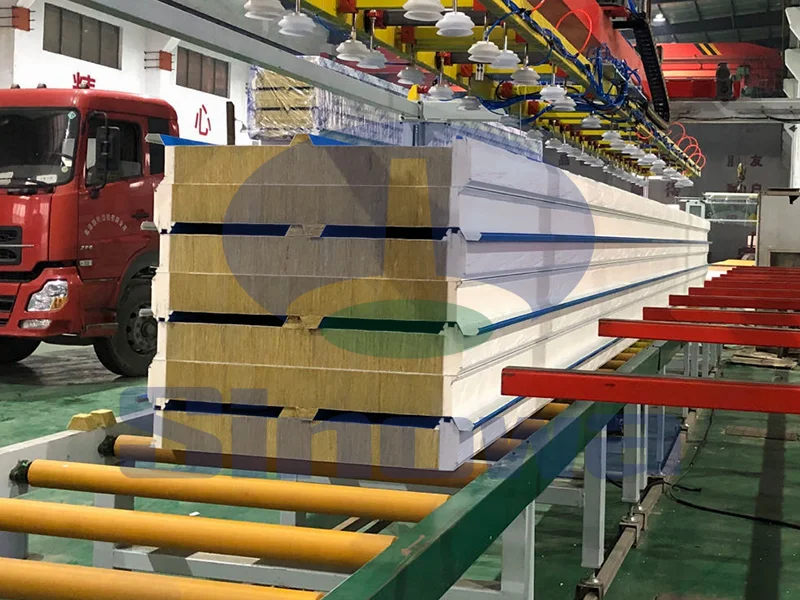
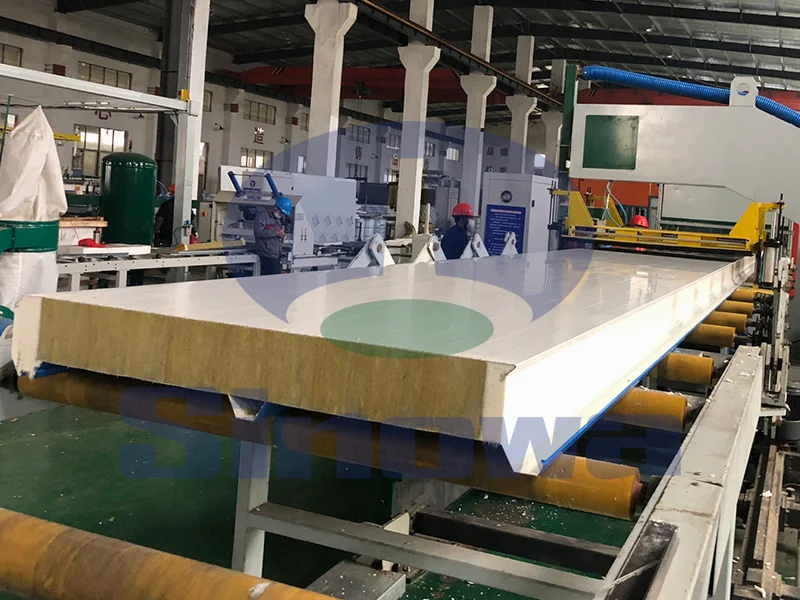
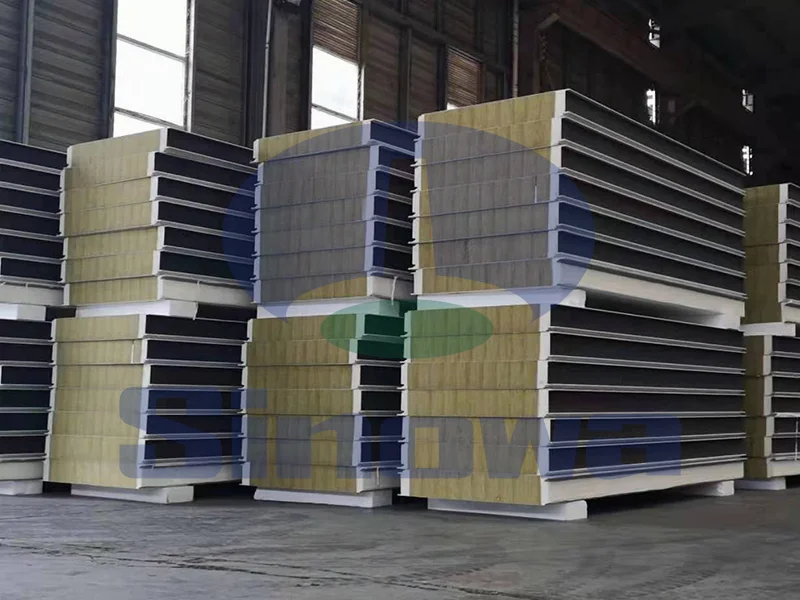
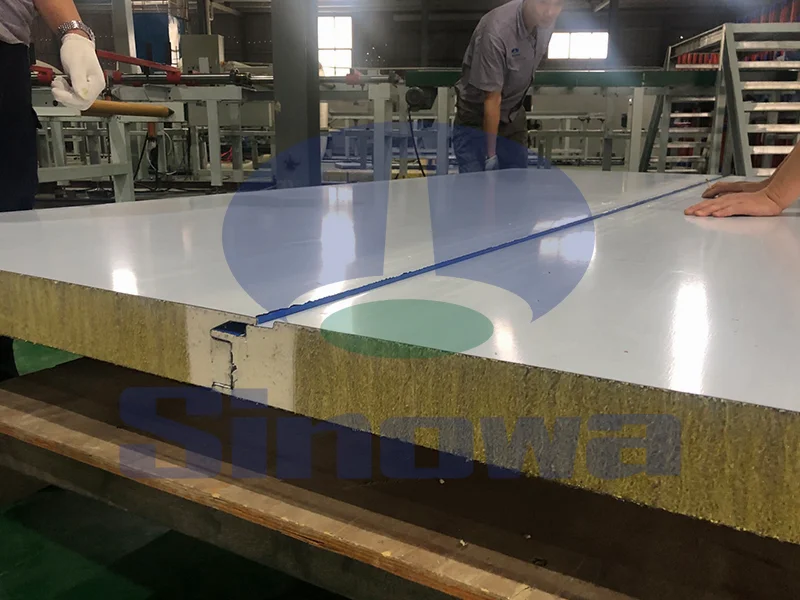
The mineral wool sandwich panel line adopts fully automated design, integrating processes such as uncoiling, forming, foaming, compounding, and cutting. It features a multi-component pentane foaming system, CNC precision machining components, and linkage control system, supporting the switching production of various core materials such as PU/PIR/rock wool.
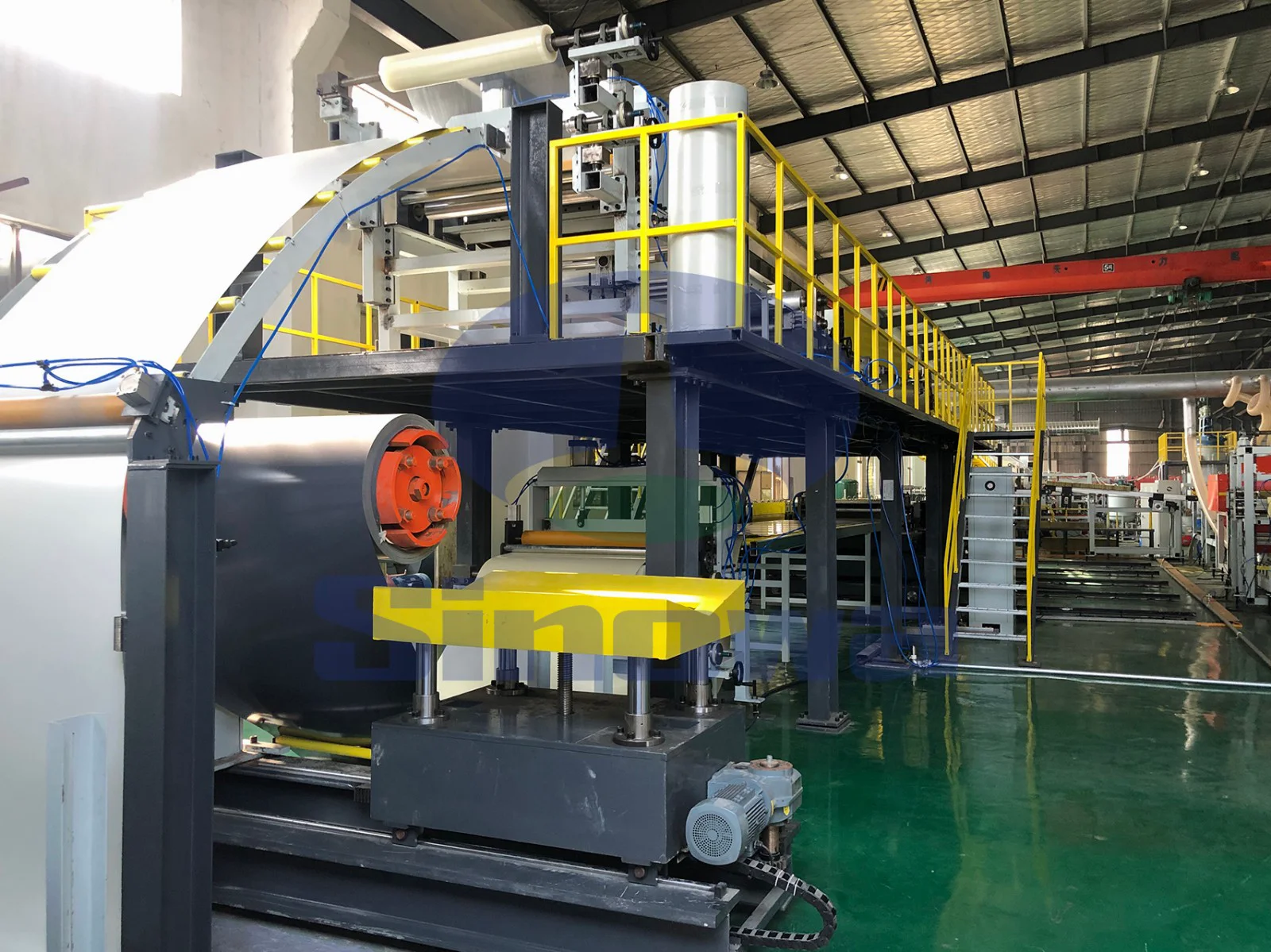
The continuous mineral wool sandwich panel production line adopts a modular building block structure, with each component connected by bolts for rapid assembly and maintenance. The automatic mineral wool insulation board production line integrates a linkage control system, with a production speed of up to 30 meters per minute and energy consumption only 40% of similar equipment. It supports the production of various core materials such as polyurethane (PU), rock wool, and glass wool, and the surface layer can be adapted to materials such as color steel, aluminum foil, and cement base cloth.
The multi-component pentane foaming technology is widely used to reduce dependence on traditional foaming agents and minimize environmental pollution. The mineral wool sandwich panel line significantly reduces energy consumption by optimizing the insulation design and motor power of the laminated conveyor.
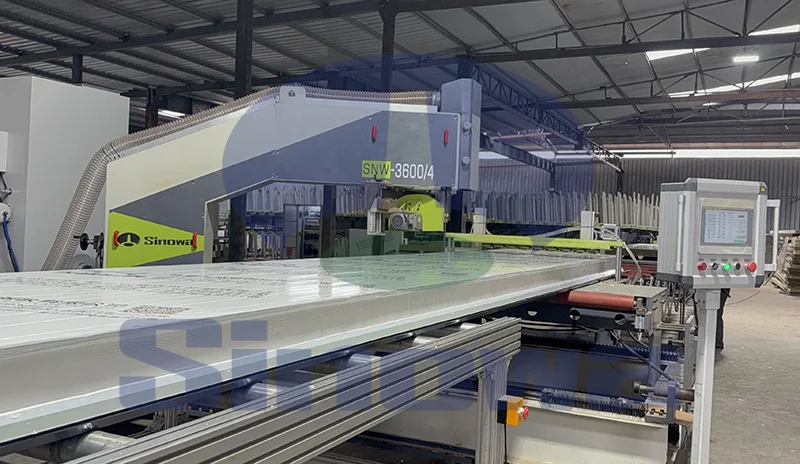
Mineral wool sandwich panels have the characteristics of Class A fire resistance (rock wool core material), waterproofing (polyurethane edge sealing), sound insulation, etc., with an effective width of up to 1000mm, suitable for environments ranging from -40 ℃ to 600 ℃. The Sinowa horizontal concealed buckle curtain wall panel adopts a hidden connection without exposed bolts, which enhances waterproofing and aesthetics.
Mineral wool sandwich panels are widely used in steel structure factories, cold storage, airport terminals and other scenarios, especially suitable for power facilities and data centers with strict fire prevention requirements. The demand for horizontal concealed buckle design has significantly increased in curtain wall engineering.
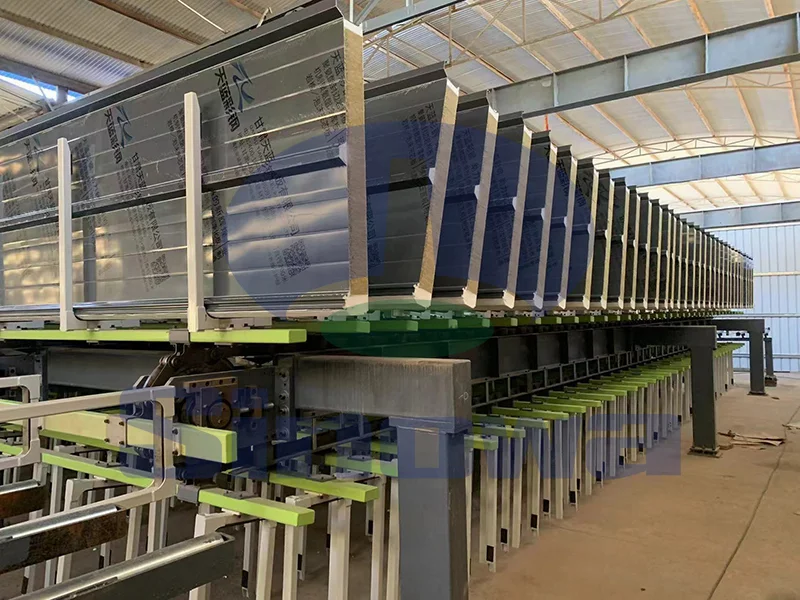
Core module composition of mineral wool sandwich panel machine
Raw material pretreatment system
The automated feeding device for mineral wool fibers is equipped with dust removal and density adjustment functions to ensure the uniformity of the core material.
Color steel coil unwinding module, integrating leveling and cutting technology, supporting the processing of steel plates with a thickness of 0.3-1.2mm.Composite molding module
High pressure foaming technology (such as cyclopentane foaming technology) is used in parallel with rock wool composite technology to achieve compatibility between PU/PIR/mineral wool multi-core layers.
The double-sided laminating system can be equipped with surface materials such as aluminum foil, color steel, cement base cloth, etc., to meet the needs of building exterior walls, cold storage and other scenarios.Intelligent Control Center
PLC+Industrial Internet of Things (IIoT) linkage control, real-time monitoring of foam density (error ± 2%), temperature (± 1 ℃), and line speed (adjustable from 3-25m/min).
Modular design supports quick switching of production parameters, and can complete the conversion of PU to mineral wool core material within 30 minutes by changing molds.
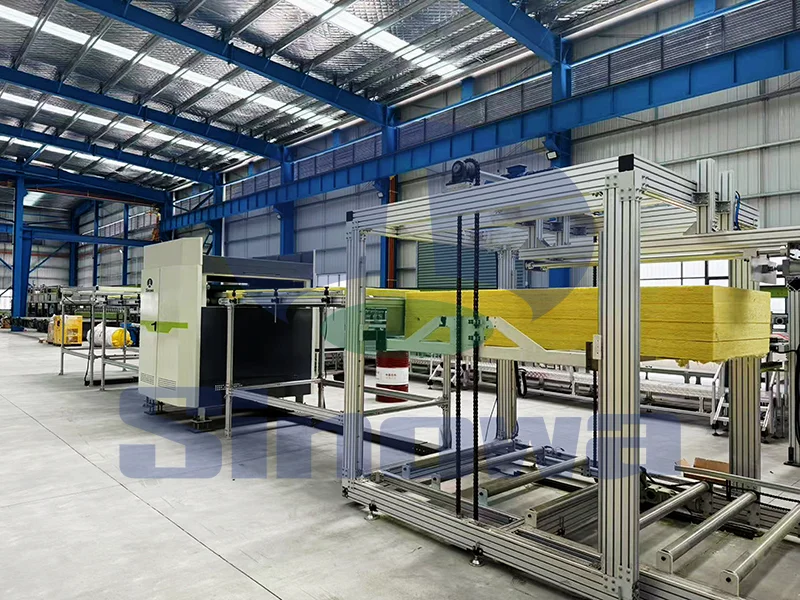
Intelligent production throughout the entire process
Process control
Real time monitoring of foam density (with an error of ± 2%), temperature (± 1 ℃), and line speed (adjustable from 3-25m/min) using Industrial Internet of Things (IIoT) technology, and dynamic optimization of parameters through intelligent algorithms, resulting in a 15% reduction in energy consumption.
Modular design supports switching core material types such as mineral wool/PU/PIR within 30 minutes, adapting to multiple scene requirements.Automated raw material processing
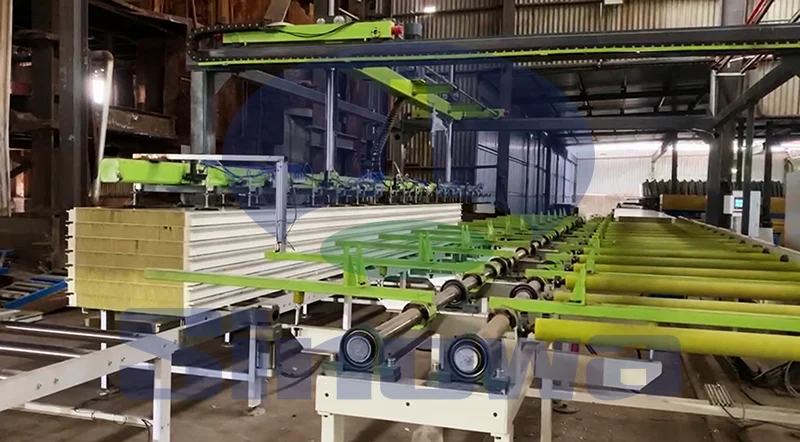
The automatic feeding system for mineral wool fibers integrates dust removal and density adjustment functions to ensure the uniformity of the core material; The color steel coil unwinding module supports precise cutting of steel plates with a thickness of 0.3-1.2mm, with a waste rate of less than 1%.
High performance product output
Fire prevention and safety performance
A-grade fire-resistant rock wool core material+metal surface layer double safety structure, with a fire resistance limit of ≥ 60 minutes (thickness 80mm), used in factory buildings and other scenarios.Integrated insulation and sound insulation
Thermal conductivity ≤ 0.038W/(m · K), combined with polyurethane edge sealing process, with a hydrophobicity of 98%; The sound insulation effect is 25-40dB, meeting high demand scenarios such as data centers and music halls.Environmental adaptability
Using aluminum zinc coated steel plate surface layer, salt spray test>3000 hours; Cold chain dedicated anti freezing and thawing cycle, energy-saving logistics cold storage.
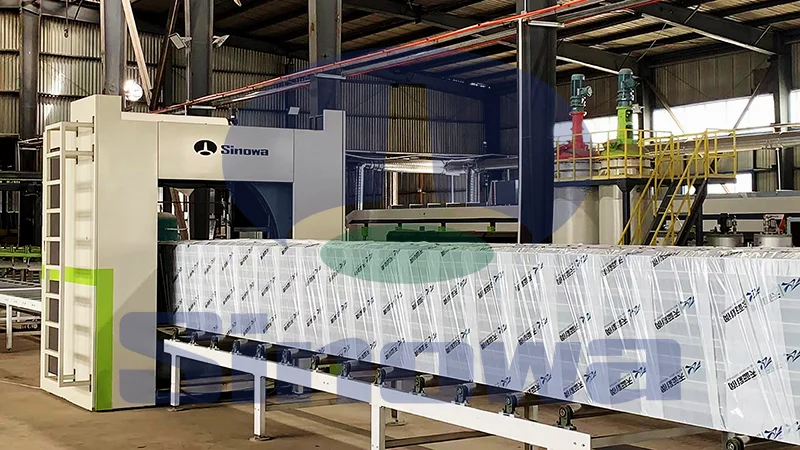
The mineral wool sandwich panel production line represents a sophisticated integration of mechanical engineering, material science, and automated control systems, designed to manufacture high-performance composite panels widely utilized in construction, industrial, and commercial sectors. These panels, characterized by a mineral wool core sandwiched between two outer facings (typically metal sheets), offer exceptional thermal insulation, sound absorption, and fire resistance, making them indispensable in modern building practices. The production line’s ability to ensure consistent quality, efficient output, and adaptability to diverse specifications has positioned it as a cornerstone of the composite material manufacturing industry.
At its core, a mineral wool sandwich panel line is a continuous or semi-continuous system composed of interconnected units, each performing a specific function in the manufacturing workflow. The layout and configuration of these units are tailored to optimize production efficiency, minimize material waste, and ensure the structural integrity of the final product. While variations exist based on production capacity, panel dimensions, and material specifications, the fundamental components of a standard production line include unwinding units, profiling systems, mineral wool feeding and processing modules, adhesive application systems, laminating and pressing units, cutting mechanisms, stacking and handling equipment, and control systems. Each component operates in harmony, guided by precise synchronization to maintain the consistency of panel thickness, core density, facing adhesion, and overall dimensional accuracy.
The unwinding unit serves as the starting point for the production process, responsible for supplying the outer facing materials—most commonly coil-fed metal sheets such as galvanized steel or aluminum. These coils, which vary in thickness, width, and surface treatment, are mounted on hydraulic or mechanical mandrels that ensure stable and uniform unwinding. The unwinding unit is equipped with tension control systems to prevent stretching, wrinkling, or deformation of the metal sheets as they are fed into the subsequent processing stages. Advanced unwinding systems often feature dual-coil designs, allowing for continuous production without interruptions when one coil is exhausted, as the new coil can be spliced seamlessly to the end of the running sheet. This feature is particularly crucial for high-volume production, where downtime can significantly impact overall efficiency.
Following unwinding, the metal sheets are directed to the profiling unit, where they undergo shaping to achieve the desired surface texture, edge configuration, and structural rigidity. Profiling is typically accomplished using a series of roller forming machines, which apply gradual pressure to the metal sheets through precision-engineered rollers. The rollers are designed to create specific profiles—such as corrugated, ribbed, or flat surfaces—depending on the intended application of the panels. For example, corrugated facings enhance the panel’s load-bearing capacity, making them suitable for roof applications, while flat facings are preferred for interior partitions and wall claddings. The profiling process must be executed with high precision to ensure that the dimensions of the facing sheets align perfectly with the mineral wool core, avoiding gaps or misalignments that could compromise the panel’s performance. Additionally, edge trimming mechanisms may be integrated into the profiling unit to adjust the width of the metal sheets to the required specifications, ensuring uniformity across all panels.
Parallel to the processing of the outer facings, the mineral wool core is prepared in a dedicated feeding and processing module. Mineral wool, a non-combustible material derived from melting natural ores such as basalt, diabase, or limestone at high temperatures, is typically supplied in rolls or sheets of varying thicknesses and densities. The feeding system transports the mineral wool to a cutting mechanism, which trims the material to match the width and length of the panels being produced. In continuous production lines, the mineral wool is fed continuously, with cutting synchronized to the speed of the facing materials to ensure precise alignment. Some advanced systems incorporate density adjustment mechanisms, allowing for the modification of the mineral wool core density to meet specific thermal insulation or sound absorption requirements. This flexibility is essential, as different applications demand varying core properties—for instance, higher density cores are used in areas requiring enhanced fire resistance, while lower density cores offer superior thermal insulation for cold storage facilities.
The adhesive application system is a critical component of the production line, as it ensures the secure bonding between the mineral wool core and the outer facings. The selection of adhesive is determined by the material properties of the facings and core, as well as the intended application of the panels. Common adhesives include polyurethane-based formulations, epoxy resins, and phenolic adhesives, each offering distinct advantages in terms of bonding strength, curing time, and resistance to environmental factors. The adhesive is applied to the inner surfaces of the profiled metal facings using precision spraying, rolling, or brushing mechanisms. Modern application systems feature computer-controlled dosage regulators that ensure uniform adhesive distribution, preventing over-application (which can increase material costs and curing time) or under-application (which can lead to poor bonding and delamination). Additionally, some systems incorporate pre-heating units to optimize the adhesive’s viscosity and improve its wetting ability, enhancing the bond strength between the facings and the mineral wool core.
Once the adhesive has been applied, the assembly of the sandwich panel takes place in the laminating and pressing unit. This unit brings together the upper and lower profiled facings with the mineral wool core, aligning them precisely to form the composite structure. The assembly is then subjected to controlled pressure and temperature to facilitate adhesive curing and ensure intimate contact between all layers. The pressing process may utilize roller presses, flat presses, or vacuum presses, depending on the panel specifications and production volume. Roller presses are commonly used in continuous production lines, applying consistent pressure as the panel moves through the system, while flat presses are suitable for batch production, allowing for higher pressure application for thicker panels. Vacuum pressing technology is often employed for panels requiring exceptional flatness and uniform bonding, as it removes air pockets between the layers and ensures even pressure distribution. The temperature and pressure parameters during pressing are carefully controlled to match the adhesive’s curing requirements—excessive temperature can degrade the mineral wool core, while insufficient pressure may result in incomplete bonding.
After the adhesive has cured sufficiently, the continuous panel is directed to the cutting unit, where it is trimmed to the desired length. The cutting mechanism must be highly precise to ensure clean edges and accurate dimensions, as irregular cuts can affect the panel’s installation and structural integrity. Common cutting technologies include circular saws, band saws, and CNC-controlled cutting systems. CNC cutters offer the highest precision, with the ability to adjust cutting parameters in real-time to accommodate variations in panel thickness or material properties. Some advanced cutting units incorporate edge treatment mechanisms, such as deburring or sealing, to remove sharp edges and prevent moisture infiltration into the mineral wool core. This edge treatment is particularly important for panels used in exterior applications, where exposure to weather conditions can compromise the core’s performance over time.
Following cutting, the finished panels are transferred to the stacking and handling unit, where they are sorted, stacked, and prepared for packaging or shipment. Automated stacking systems use robotic arms or conveyor belts to handle the panels gently, preventing damage to the facings or core. The stacking process is optimized to maximize space utilization while ensuring that the panels are not subjected to excessive pressure, which could cause deformation. Some production lines integrate packaging modules that wrap the stacked panels in protective materials such as plastic film or cardboard, shielding them from scratches, moisture, and dust during transportation and storage. Additionally, labeling systems may be incorporated to mark each stack with panel specifications, production date, and batch information, facilitating inventory management and quality traceability.
The entire operation of the mineral wool sandwich panel manufacturing line is governed by a centralized control system, which integrates sensors, actuators, and computerized controllers to monitor and adjust all production parameters in real-time. Modern control systems utilize programmable logic controllers (PLCs) and human-machine interfaces (HMIs) to provide operators with comprehensive visibility into the production process. Operators can set production parameters such as panel dimensions, core density, adhesive dosage, and pressing temperature, and the control system automatically adjusts the relevant units to maintain these settings. Sensors placed throughout the line monitor critical variables, including material tension, adhesive thickness, panel flatness, and cutting accuracy, sending real-time data to the controller. If a deviation from the set parameters is detected, the system can issue an alert, adjust the process automatically, or stop production to prevent the manufacture of defective panels. This level of automation not only ensures consistent product quality but also reduces the risk of human error and improves operational efficiency.
Quality control is an integral part of the production process, implemented at every stage to ensure that the finished panels meet the required performance and dimensional standards. Raw material inspection is conducted before production begins, with checks on the metal coil thickness, surface quality, and chemical composition, as well as the mineral wool density, fiber structure, and moisture content. During production, in-process inspections include monitoring adhesive distribution, core alignment, panel thickness, and flatness. Post-production quality checks involve testing the panels for bond strength, thermal conductivity, sound absorption, fire resistance, and dimensional accuracy. Bond strength tests evaluate the adhesion between the facings and core, ensuring that the panel can withstand mechanical stress without delamination. Thermal conductivity tests measure the panel’s ability to resist heat transfer, a key performance指标 for insulation applications. Sound absorption tests assess the panel’s capacity to reduce noise transmission, while fire resistance tests verify its ability to withstand high temperatures and prevent flame spread. These tests are essential to ensure that the panels meet the specific requirements of their intended application, whether in industrial warehouses, commercial buildings, or residential structures.
The versatility of mineral wool sandwich panels, enabled by advanced production lines, has led to their widespread adoption across multiple sectors. In the construction industry, they are used for exterior walls, interior partitions, roofs, and ceilings, offering a balance of structural performance and energy efficiency. Industrial facilities, such as manufacturing plants, warehouses, and cold storages, rely on these panels for their thermal insulation and fire resistance properties, which help maintain stable internal temperatures and enhance workplace safety. Commercial buildings, including shopping malls, office complexes, and healthcare facilities, benefit from the panels’ sound absorption capabilities, creating quieter and more comfortable environments. Additionally, mineral wool sandwich panels are used in specialized applications such as clean rooms, data centers, and agricultural buildings, where strict requirements for hygiene, temperature control, and durability must be met. The production line’s ability to customize panel dimensions, core density, and facing materials allows manufacturers to cater to these diverse applications, ensuring that each panel is tailored to the specific needs of the project.
Environmental considerations play an increasingly important role in the design and operation of mineral wool sandwich panel making lines. Mineral wool itself is an environmentally friendly material, as it is derived from natural, abundant ores and is fully recyclable. The production process, however, requires energy for melting ores, operating machinery, and curing adhesives, making energy efficiency a key focus for manufacturers. Modern production lines incorporate energy-saving technologies such as variable frequency drives (VFDs) for motors, heat recovery systems to capture and reuse waste heat, and LED lighting to reduce electricity consumption. Additionally, efforts are made to minimize material waste, with recycling systems integrated to collect and reuse scrap metal and mineral wool trimmings. Emissions control measures are also implemented to reduce the release of harmful substances during production, such as dust collection systems to capture mineral wool fibers and air filtration units to treat exhaust gases. These environmental initiatives not only reduce the production line’s carbon footprint but also comply with increasingly stringent environmental regulations worldwide.
The reliability and longevity of a mineral wool sandwich panel machine depend heavily on proper maintenance and operational practices. Regular maintenance routines include inspecting and lubricating moving parts, checking and replacing worn components (such as rollers, blades, and sensors), and calibrating control systems to ensure accuracy. Preventive maintenance schedules are typically developed based on the manufacturer’s recommendations and operational experience, helping to identify and address potential issues before they lead to equipment failure or production downtime. Operator training is also critical, as skilled operators can recognize early signs of equipment malfunction, adjust processes to optimize performance, and ensure that all safety protocols are followed. Safety features integrated into modern production lines include emergency stop buttons, safety guards, and interlock systems that prevent access to hazardous areas during operation, protecting both operators and equipment.
Despite the advanced state of current mineral wool sandwich panel production machineries, ongoing technological innovations continue to drive improvements in efficiency, quality, and sustainability. One key area of development is the integration of artificial intelligence (AI) and machine learning (ML) into control systems, enabling predictive maintenance and real-time process optimization. AI algorithms can analyze data from sensors throughout the line to identify patterns that indicate potential equipment failures, allowing for proactive maintenance and reducing unplanned downtime. ML models can also optimize production parameters based on historical data, improving product quality and reducing material waste. Another area of innovation is the development of eco-friendly adhesives, such as bio-based formulations derived from renewable resources, which reduce the environmental impact of the production process while maintaining strong bonding performance.
Automation technology is also evolving, with the integration of collaborative robots (cobots) and advanced robotic systems to handle complex tasks such as material handling, edge treatment, and quality inspection. Cobots work alongside human operators, enhancing productivity while improving workplace safety. Additionally, the adoption of digital twin technology allows manufacturers to create virtual replicas of production lines, enabling simulation and testing of process modifications before implementation. This reduces the risk of costly errors and accelerates the deployment of new technologies. Advancements in mineral wool production itself, such as the development of high-performance mineral wool cores with enhanced thermal insulation and fire resistance properties, are also driving improvements in the performance of the finished panels, expanding their range of applications.
The global demand for mineral wool sandwich panels is expected to continue growing, driven by increasing emphasis on energy efficiency, fire safety, and sustainable construction practices. This growth will fuel further investments in production line technology, with a focus on enhancing flexibility, reducing energy consumption, and improving product customization. Manufacturers are likely to increasingly adopt modular production line designs, which allow for easy expansion or modification to accommodate changing market demands. Additionally, the integration of digital technologies, such as the Industrial Internet of Things (IIoT), will enable remote monitoring and control of production lines, improving operational efficiency and reducing the need for on-site personnel.
Challenges facing the industry include rising energy costs, fluctuations in raw material prices, and the need to comply with evolving environmental regulations. To address these challenges, manufacturers are investing in energy-efficient technologies, diversifying their raw material sources, and developing more sustainable production processes. Additionally, the industry is focusing on improving the recyclability of mineral wool sandwich panels, with research into innovative recycling methods that separate the core from the facings, allowing for the reuse of both materials. This circular economy approach not only reduces waste but also enhances the environmental sustainability of the entire product lifecycle.
In conclusion, the mineral wool sandwich panel manufacturing plant is a complex and sophisticated manufacturing system that plays a vital role in meeting the growing demand for high-performance, sustainable building materials. Its integration of mechanical, material, and control technologies ensures the consistent production of panels with exceptional thermal insulation, sound absorption, and fire resistance properties. From the unwinding of raw materials to the stacking of finished products, each component of the production line operates in harmony to optimize efficiency, quality, and adaptability. As technological innovations continue to drive improvements in automation, energy efficiency, and sustainability, the production line will remain at the forefront of the composite material manufacturing industry, supporting the development of greener, safer, and more efficient buildings worldwide. The ongoing evolution of these production lines, coupled with the increasing focus on environmental responsibility, will ensure that mineral wool sandwich panels continue to be a preferred choice for diverse applications in the construction and industrial sectors for years to come.
The intricate balance between technical precision and operational efficiency in mineral wool sandwich panel making machines underscores their importance in modern manufacturing. As the industry continues to evolve, these production lines will adapt to meet new challenges and opportunities, leveraging advanced technologies to enhance performance, reduce environmental impact, and expand the range of applications for mineral wool sandwich panels. Whether in large-scale industrial facilities or specialized manufacturing plants, the mineral wool sandwich panel production equipment remains a cornerstone of sustainable construction, providing solutions that combine performance, durability, and environmental responsibility.