How To Maintain A PU Sandwich Panel Machine To Extend Its Service Life?
Publication Date: Oct 15, 2026
Proper routine maintenance of PU sandwich panel machine reduces faults and prolongs service life, covering cleaning, lubrication, inspection and operational management.
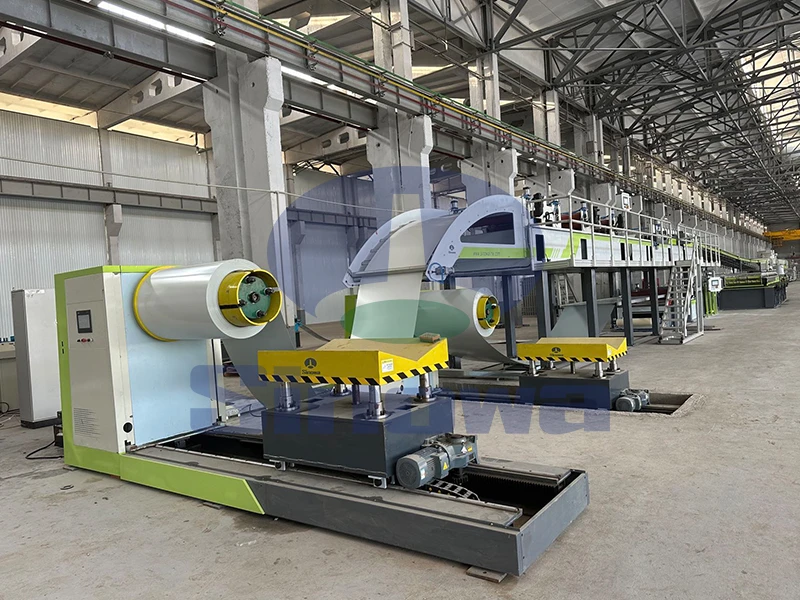
Clean the equipment surface and internal residues regularly after each production run. Leftover PU foam, dust and debris can stick to rollers, pipelines and mould parts, causing blockage and uneven operation. Use soft tools to clear residual materials, avoid hard scraping that scratches metal surfaces and sealing components. Pay extra attention to material feeding channels, where accumulated foam will affect material delivery accuracy and impact panel forming quality. Keep the whole working area tidy to prevent foreign objects from entering moving parts during operation.
Carry out systematic lubrication for all moving components following regular cycles. Bearings, chains, transmission gears and guide rails need suitable lubricants to lower friction. Too little lubrication leads to abrasion and noise, while excessive oil will attract dust and form dirt layers. Check lubricant status frequently, replace deteriorated oil on time, and wipe off redundant grease to maintain stable transmission and reduce wear of core moving parts.
Inspect sealing elements of the PU injection system periodically. Seals are easy to wear under long-term pressure and material corrosion. Damaged seals cause material leakage, waste raw materials and may corrode nearby machine parts. Check for seepage marks around injection nozzles and pipelines, replace ageing sealing parts in advance instead of waiting for complete failure to occur. Keep injection pipelines unobstructed and test injection pressure stability during routine checks.
Check electrical parts and wiring every week. Loose connectors, ageing wires and dust on electrical cabinets may trigger sudden shutdowns or circuit faults. Cut off power supply before inspection, clear dust inside electrical cabinets gently. Look for cracked insulation and loose terminals. Avoid liquid splashing onto electrical components during cleaning, and keep the electrical control area dry and ventilated to prevent short circuits.
Monitor the working status of hydraulic components on a regular basis. Check hydraulic oil colour and clarity, change oil once it turns turbid or contains impurities. Check hydraulic tubes for swelling, cracks and oil seepage. Unstable hydraulic pressure will lead to inconsistent panel thickness and overload the machine. Exclude abnormal pressure fluctuations in time to protect hydraulic pumps and cylinders from premature damage.
Check roller systems and calibration of forming parts frequently. Long-time operation may make rollers shift or wear unevenly, resulting in warped or uneven panels. Verify roller parallelism and adjust gaps properly. Remove adhered residues on roller surfaces to ensure smooth panel conveyance. Fix slight surface abrasion timely to avoid expanding damage that requires costly component replacement.
Operate the machine strictly within its normal working range. Do not overload production or continuously run the equipment beyond the designed working hours. Prolonged continuous operation raises component temperature and accelerates ageing. Arrange proper intermittent rest for the machine during mass production. Avoid sudden start and stop operations, and follow the standard startup and shutdown sequence every time.
Train operators to master correct operation habits. Improper manual operation is one major cause of equipment damage. Operators should observe running sound, vibration and panel quality changes during production. Stop the machine immediately once abnormal vibration or strange noise appears, and carry out inspection rather than forcing continued production. Record abnormal conditions for later troubleshooting.
Protect the machine from harsh ambient conditions. Keep the workshop with stable temperature and low humidity. High humidity speeds up rusting of metal parts and ageing of rubber accessories. Prevent direct exposure to strong sunlight and heavy moisture. When the equipment will stay idle for a long time, clean all residual materials, apply anti-rust coating on exposed metal parts and cover the machine with protective cloth.
Keep complete maintenance records for reference. Note down cleaning time, lubrication work, component replacement and fault handling details. These records help identify recurring problems and formulate more targeted maintenance plans. Regular maintenance can effectively cut unexpected downtime, stabilise production quality and maximise the overall service life of the PU sandwich panel machine.
Tags: pu sandwich panel machine, pu sandwich panel machine manufacturer, pu sandwich panel machine supplier, china pu sandwich panel machine, pu sandwich panel machine for sale